Categories
Hearing Loss

How To Manage Hearing Loss In The Workplace

With increasingly more people in the workforce suffering from some degree of hearing loss, whether due to age or other reasons, more people are speaking out about the difficulty of working in a modern office with the condition. Still, navigating a professional environment with a diverse set of opinions and drawbacks for those with hearing loss can make any job more difficult. This is why it’s important to recognize your unique situation and make a plan for how to manage hearing loss in your workplace.

Should I Tell My Coworkers About My Hearing Loss?

The first and most pivotal step toward managing your hearing loss is telling those around you. For friends and family, the concessions and habits they should adopt to help you are a no-brainer. But other employees or supervisors may not be as accommodating or understanding.

It’s reasonable to feel this way. Surveys have shown that nearly half of people who have revealed their hearing loss during or after recruitment don’t feel as if they’ve received reasonable accommodations in their job.

However, the Americans With Disabilities Act protects workers from discrimination based on conditions like hearing loss, and employers are obligated to uphold those protections and accommodations. When you tell your boss that you have hearing loss, you gain agency and protect your rights to working in a way that works for you.

Don’t Fake it Till You Make it

Although many people simply keep quiet about their hearing loss, the effects of faking it can be harmful to both you and your company. Missing important details in a meeting or conference call can derail projects or cause you to overshoot deadlines. Unless you speak up about your condition, people won’t know to do simple things like face you while talking, or avoid covering their mouths. So although it can be hard, embarrassing, or stressful, telling others is the best way to ensure you have a healthy working environment and can be as productive as possible.

When To Reveal Your Hearing Loss

Although it’s usually best to reveal your hearing loss to at least a few people in the long run, this may not be practical or reasonable for everyone. It’s also possible that you’ve developed hearing loss in a workplace that you’ve worked in for many years and now require a different work environment. Whatever the case, the timing of when to reveal your hearing loss can be tricky.

Some people find it helpful to reveal their hearing loss to trusted coworkers or supervisors before announcing it broadly. Even better is when a supportive supervisor works with you to develop a standard practice for meetings that requires people to employ hearing-friendly behavior. And if you’re applying for a new job, it may be best to introduce the topic gently, such as telling recruiters about your involvement in advocacy groups, for example.

Dealing With Non-Hearing-Friendly Habits

Ideally, everyone you talk to will be understanding and accepting of your need for certain habits to help you hear clearly and not miss important information. However, some people may treat you differently once they know you have hearing loss, which leads to tension or conflict, especially if they’re making it harder for you to do your job well.

One approach that can be helpful to get others on board is to simply take it lightly. Having a sense of humor and moving on quickly from the subject can be an effective way to bring the subject up without risking making others feel awkward or ashamed.

Hearing Assessments in New Jersey

If you find yourself asking “what?” at work more than usual, it may be time for a New Jersey hearing test. At Hearing Doctors of New Jersey, we can help you get the hearing solutions you need to continue working and thriving no matter your hearing ability. Get in touch with us today by calling or filling out a contact form online.

To learn more about hearing loss, download the FREE Insider’s Guide on how to finally hear better.

Categories
Hearing Challenges

Taking Your Child to an Audiologist

If your child undergoes hearing tests at school or through their pediatrician, it can be easy to think your child doesn’t need to see an audiologist. Although for many people this is true, hearing problems during early life can have compounding effects. It’s important to catch hearing problems as soon as possible.  A comprehensive hearing test can have a tremendous, positive impact on setting your child up for success. Whether you’ve never considered taking your child to an audiologist or are wondering what to expect from an appointment, here’s what to know about why it’s important and how our Doctors of Audiology take a unique approach to your child’s hearing health.

Why are hearing tests important?

The American Academy of Pediatrics recommends that all newborns have a hearing screening within one month of life – ideally before they leave the hospital. That’s because hearing problems are one of the most common birth defects. In fact, about 1 to 3 in every 1,000 babies have hearing function outside the ideal range. Additionally, about 1 to 2 in every 100 babies will not pass the initial hearing screening performed within one month of life. If so, it’s extremely important to intervene as soon as possible.

The primary way that children learn and develop is through listening – to the sounds around them and to the conversations they have in daily life. When your child has trouble hearing, it can drastically delay their language development and ability to socialize, especially in academic settings. In fact, hearing difficulties can put your child behind their peers by whole grade levels, which can compound if your child is unable to keep up with new concepts that build on old ones. Finally, it can be extremely difficult for children to communicate what they’re experiencing, meaning it may not always be obvious.

What tests will my child have at Hearing Doctors of New Jersey?

At Hearing Doctors of New Jersey, we utilize some of the most comprehensive and effective methodologies for understanding your child’s hearing and getting treatment. Although we’ll perform comprehensive, in-office tests to determine your child’s hearing capability, we believe that involving you and your child’s support network can help us get a more complete picture of what your child needs to succeed. Here’s what you can expect from our pediatric team.

Early Listening Function (ELF)

ELF, or early listening function, is an instrument designed to include parental involvement in the child’s hearing diagnosis. In many cases, it can help present an alternative set of data gathered in a more natural and normalized environment for your Doctor of Audiology to pair with in-office tests. You’ll be given some detailed instructions to follow, including 12 listening activities to be performed in quiet, typical, and loud environments. You’ll perform certain sounds and observe your child’s response at different distances to get a better picture of your child’s “listening bubble” so we can determine their hearing range.

Children’s Home Inventory for Listening Difficulties (CHILD)

CHILD is another assessment performed at home and in different everyday situations. You’ll report on each situation with a ranking based on how well your child hears and understands in noisy or quiet environments like a restaurant, social situation, playroom, or car ride. This includes conversing with them, calling their name from a different room, or observing them with their peers, for example. This can help your audiologist gauge their hearing ability in normal situations by observing behavioral cues that may not otherwise present in an office testing environment.

Screening Instrument for Targeting Educational Risk (SIFTER)

SIFTER is an assessment performed by your child’s teachers to gather data about your child’s interactions and success at school. It can be performed at the preschool level and beyond, based on your child’s needs. Your child’s teacher will rank your child’s behavior in areas like academics, attention, communication, class participation, and school behavior in order to determine whether your child is experiencing difficulties in academic settings. Often, these areas can begin to suffer if your child has undiagnosed hearing loss, which can put their educational success at risk going forward.

The ELF, CHILD, and SIFTER tests are available to download in our patient forms.

Schedule an Appointment

The best time to get your child help for hearing loss is right away. During an appointment with our team, we can create a customized treatment plan for your child and help you understand what to expect. Schedule your appointment at our Livingston office by clicking here or calling now.

Categories
Hearing Challenges

Dr. Nesson Discusses Face Masks & the Hearing Challenges That Come With Them.

This article was originally published in the January 2021 edition of Heartrepreneur® Magazine. Read and purchase the full magazine edition here.

Now That People Are Wearing Masks, Are You Tired of Saying “What?”

Is this you? Face masks are now required in many public places to help prevent the spread of coronavirus. If you have noticed that having a normal conversation is frustrating and that you are asking people to repeat what they have said, you are not alone. Face masks add an extra challenge to hear normal conversation when they are speaking to you with a mask on their face.

A friend’s mom who works in a dental office recently shared with me that because of face masks, when patients arrive, she is really struggling to hear what they are saying. Unconsciously, when we speak with other people, we use visual cues, like reading lips, to help us hear and understand what is being said. But now, with face masks covering people’s mouths, those visual cues are gone. Those with even a mild hearing loss are now finding it much more difficult to have a normal conversation without saying “what”.


Helpful strategies for communicating when wearing a mask include:

• Asking others to speak slowly, clearly and at a normal volume.

• Rephrase remarks when not understood.

• Take turns when speaking.

• If wearing hearing aids, make sure to have them on.

• Keep background noise in the room to a minimum.

• Face each other (from a safe distance).

So now what? If you are frustrated and ready to hear a conversation without missing a thing, you should get the help you need now. At Hearing Doctors of New Jersey, we utilize our proprietary H.E.A.R. Method™ in hearing aid selection, verification and fitting so that you never miss another word—guaranteed.

< END OF ARTICLE >

To learn more about hearing aids, download our FREE Insider’s Guide on how to finally hear better.

Categories
Hearing Loss

What “Degree of Hearing Loss” Means

Only a Doctor of Audiology can accurately measure your personal degree of hearing loss so you can receive the right treatment.

Hearing Loss Can Affect Everyone in Different Ways

Just as you can have different amounts of vision loss, you can have different degrees of hearing loss, ranging from mild to profound. In addition, your hearing is measured across a range of pitches from low to high. And your degree of hearing loss or hearing ability can vary across pitches. For example, you may have increased hearing loss in the high pitches with minimal loss, or normal hearing in the low pitches. In fact, this is the most common configuration of hearing loss and is why you often can hear but can’t always understand what people are saying, since you can’t hear high-pitched sounds.

Some people can hear up close but have a hard time when there is background noise. Some have mixed hearing loss.

The degree of hearing loss is based on the audiometric thresholds that are measured during a comprehensive hearing test. Hearing is tested for low, middle, and high pitches for both the right and left ears and is plotted on a graph called an audiogram. The degrees of hearing loss vary from mild hearing loss to moderate hearing loss to severe hearing loss and more profound hearing loss.

Your Doctor of Audiology will discuss the degrees of hearing loss across pitches in more depth with you following your hearing evaluation. Here is an example of an audiogram and degree of hearing loss that can be used:

To learn more about hearing aids, download our FREE Insider’s Guide on how to finally hear better.

Hearing loss can be due to any number of concerns, including loud sounds or even genetics. The right hearing aid for you will depend on your preferences (whether you want an inner ear, ear canal, or outer ear hearing aid) and what your Doctor of Audiology suggests.

Categories
Hearing Loss

Types of Hearing Loss Explained

Hearing loss can be categorized into three unique categories. These hearing loss types range from minor hearing loss to severe.

Conductive Hearing Loss

Conductive hearing loss occurs when sound passing through the outer and/or middle ear is disrupted. Some examples of these disruptions include excessive earwax in the ear canal, damage to the eardrum (by cotton swabs or other means), fluid buildup in the middle ear with or without infection, and disease of the middle ear bones, such as otosclerosis. Depending on the cause of the conductive hearing loss, other symptoms, such as ear pain, drainage from the ears, or a feeling of pressure or blockage in the ears, may occur. Approximately 10 percent of all hearing losses are conductive, which can range from mild to moderate in severity. Conductive hearing loss can often be medically treated, and, in many cases, hearing can be restored.


Sensorineural Hearing Loss

Sensorineural hearing loss occurs when a problem exists in the inner ear of the hearing system. Sensorineural hearing loss is the most common type of hearing loss. Roughly 90 percent of hearing aid wearers have sensorineural hearing loss. The most common causes of sensorineural hearing loss are noise exposure, genetics, and problems with the hearing nerve. Sensorineural hearing loss is permanent, and currently, there is no cure. The best treatment option for this type of hearing loss is to be fit with hearing aids. For persons with complete, or profound, sensorineural hearing loss, cochlear implants may also be an option.

Mixed Hearing Loss

Mixed hearing loss can occur when both conductive and sensorineural hearing conditions are present. Only a Doctor of Audiology can accurately measure your personal degree of hearing loss so you can receive the right treatment.

If your hearing is impacted by any of these conditions above, it may be time to have your hearing evalulated using a verified appraoch. Using our proprietary H.E.A.R. Method™, Hearing Doctors of New Jersey ensures you never miss another word- guaranteed. Contact our offices today to learn more and schedule an appointment.

To learn more about hearing, download the FREE Insider’s Guide on how to finally hear better.

Categories
Hearing Aids

Differences in Hearing Aid Types

Differences in Hearing Aid Types

If you’re getting hearing aids for the first time, you might be surprised to learn that there are many types available based on your individual needs. With these choices can come some confusion about what hearing aid type is right for you. At Hearing Doctors of New Jersey, our Doctors of Audiology will help you find a customized solution so you never say “what” again. Read more about the differences in hearing aid types and styles below.

Hearing Aid Type: In-the-ear (ITE) Hearing Aids

In-the-ear, or ITE, hearing aids are custom fit from an impression taken of your ear to ensure that they fit snugly and comfortably within the ear canal. In-the-ear hearing aids are best if you have moderate hearing loss or greater.

Advantages of ITE style include:

  • Low risk of wind noise
  • Customized, comfortable fit

Cons of ITE style include:

  • Due to its small size, it is not recommended if you have dexterity issues
  • Batteries will need to be changed weekly
  • Will not connect to your cell phone directly

Hearing aid style: Invisible-in-canal (IIC) and Completely-in-canal (CIC)

Among ITE hearing aids, two subcategories are available: Invisible in the canal (IIC) and completely in the canal (CIC).

Advantages of IIC and CIC include:

  • Virtually invisible, fitting deeply within the ear canal

Cons of IIC and CIC include:

  • Battery will need to be changed every 3-4 days
  • Small removal string attached to the hearing aid can be difficult if you have dexterity issues

Hearing aid style: In-the-canal (ITC) and Low-Profile (LP)

In-the-canal (ITC) and low-profile (LP) hearing aids are essentially the same. These two types of hearing aids fit in the outer part of the ear and are larger overall that IIC or CIC hearing aids.

Advantages of ITC and LP include:

  • Larger size is easier to handle
  • Typically have a longer battery life
  • Due to its larger size, the hearing aid can include more manual controls (ie. Volume and Programs)

Cons of ITC and LP include:

  • May make you feel as though your ears are plugged

Hearing aid type: Behind-the-ear (BTE) Hearing Aids

Behind-the-ear (BTE) hearing aids consist of an outer housing which sits behind the ear. This type of hearing aid a better option if you have severe hearing loss. Behind-the-ear (BTE) hearing aids are attached to a custom earmold. 

Advantages of BTE include:  

  • Delivers a lot of power to help you if you have severe hearing loss
  • Large battery will last up to 2 weeks
  • Rechargeable options are available
  • Can be connected to your iPhone and select Android devices

Cons of BTE include:

  • Visible to others

Hearing aid type: Receiver-in-canal (RIC) and Receiver-in-the-ear (RITE)

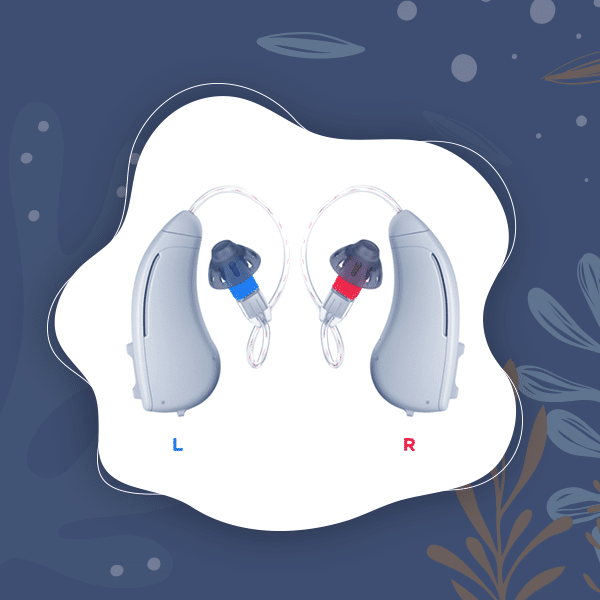
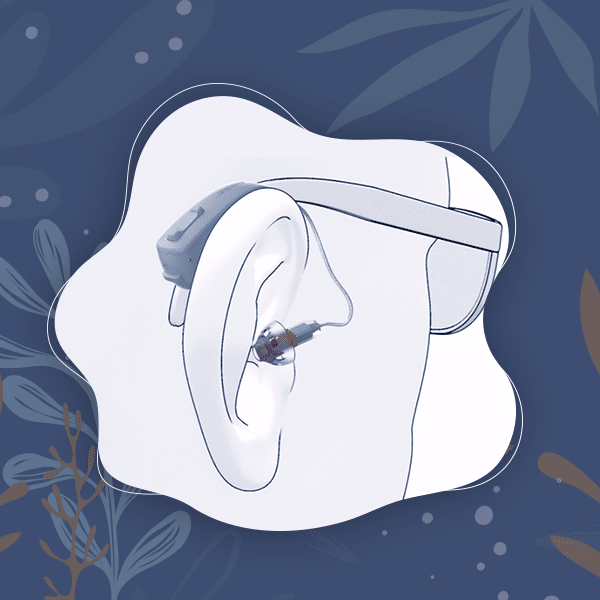
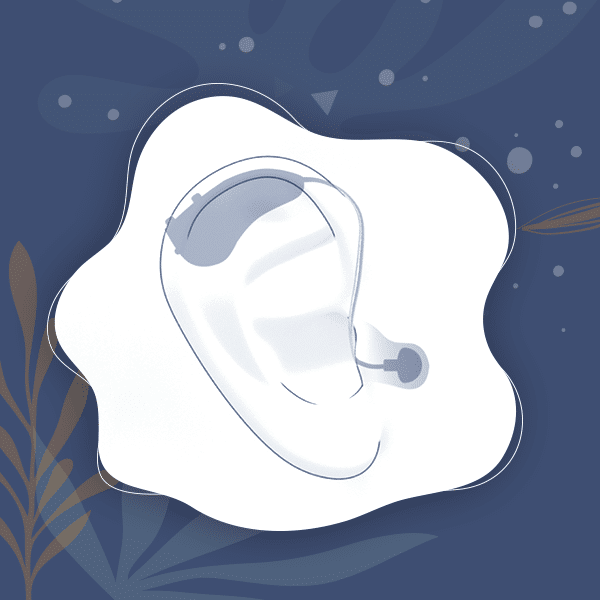
Receiver-in-canal (RIC) and receiver-in-the-canal (RITE) hearing aids consist of an outer housing that sits behind the ear connected to a thin receiver which sits in the ear canal.

Advantages of RIC and RITE include:

  • Natural sound quality
  • Rechargeable batteries
  • Can be connected to your iPhone and select Android devices
  • Custom earmolds can be made to address different degrees of hearing loss
  • If you have a mild to severe hearing loss, you can wear this hearing aid type
  • Larger size is easier to handle

Cons of RIC and RITE include:

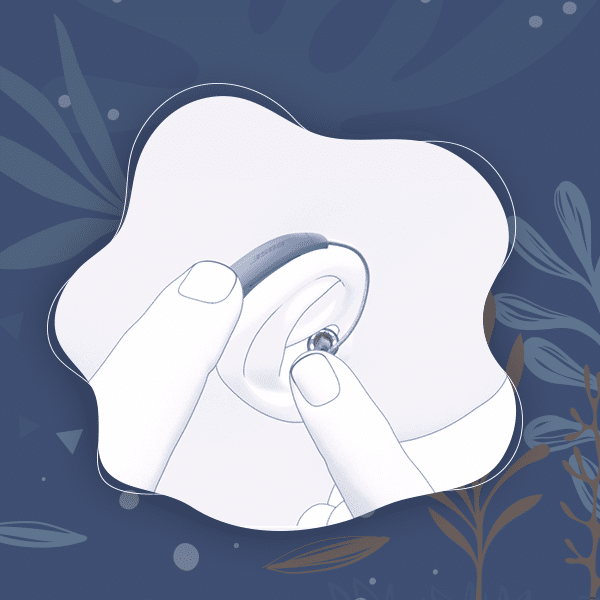
  • Can be awkward to put into your ear initially
  • If not fit properly, the hearing aid will not help you hear well

How Do I Choose the Right Hearing Aid Style?

The best hearing aid option for you will depend on your degree of hearing loss, your listening lifestyle, and your own personal preferences. At Hearing Doctors of New Jersey, our proprietary H.E.A.R. MethodTM ensures a customized hearing solution just for you so you will never say “what” again – Guaranteed.

Learn More About Hearing Aids

To learn more about your hearing aid options download our FREE Insider’s Guide on how to finally hear better – NOW.

Categories
Local Services

Audiology Services in Springfield, NJ

At Hearing Doctors of New Jersey, we provide expert hearing services to meet a variety of needs. With the help of one of our Doctors of Audiology, you can explore your treatment options for hearing loss and begin to live your best life again. Here are some of our hearing services available in the greater Springfield, NJ area.

Adult Hearing Assessments

A hearing assessment is the first step toward better hearing. During a comprehensive hearing assessment, one of our Doctors of Audiology will perform testing to measure your hearing loss, explore possible causes, and discuss the next steps in your treatment program. At Hearing Doctors of New Jersey, we use the latest technologies and testing methods to get a complete picture of your hearing ability and use it to make informed medical decisions about your hearing treatment program.

Hearing Aids

At Hearing Doctors of New Jersey, you can find everything you need to purchase, maintain, and fit your hearing aids. Our team offers the expertise and knowledge you need to ensure that your advanced hearing technology is prescribed to your exact needs. We work with the following hearing aid manufacturers:

  • Oticon
  • Starkey
  • Widex
  • Phonak
  • ReSound

Hearing Aid Repairs & Fittings

Getting the most out of your hearing aids requires a knowledgeable Doctor of Audiology. In Springfield, we are one of the leading hearing aid service providers and can help ensure your hearing aids continue to work the way they should. Whether you need repairs or fitting, our team can offer a full complement of hearing aid services.

Central Auditory Processing Evaluation

At Hearing Doctors of New Jersey, we take a personalized approach to testing for central auditory processing disorders (CAPD). Our comprehensive testing protocol will identify whether you or your child have an auditory processing disorder.  Once the testing has been completed, we will work with you and other education and medical professionals to provide an individualized treatment program that works.

H.E.A.R. MethodTM Treatment Program

At Hearing Doctors of New Jersey, you can find the most comprehensive solution to hearing loss in Springfield, NJ, and the greater Livingston area. With our proprietary H.E.A.R. MethodTM Treatment Program, you’ll get ongoing, thorough care that addresses your specific hearing needs and uses the most advanced technologies available.

About Springfield, NJ

Springfield, New Jersey, is famously home to the Baltusrol Golf Club, which hosts several major golf championships, including the PGA Championship. Additionally, Springfield was the site of the Battle of Springfield during the American Revolutionary War, one of the many battles fought around New Jersey. Springfield is a township in Union County and one of the fastest-growing townships in the country as of the 2020 census. Springfield is located 6 miles from our Livingston office.

Directions from Springfield, NJ

Schedule an Appointment

To learn more about our hearing services in Springfield and what you can expect from Hearing Doctors of New Jersey, schedule an appointment today by calling or filling out our online form.

Categories
Hearing Loss

Simple Tips to Make Life Easier For Those With Hearing Loss

It’s very likely that you have someone in your life who struggles with hearing loss. Although your friend or loved one might only experience it to a small degree, the reality is that about 50 million Americans have debilitating hearing loss. Although it may not seem like a challenge, hearing loss can affect nearly all areas of your life – and your loved one can struggle because of it. Here are some ways you can help lessen the impact of hearing loss and make sure your loved one is set up to succeed.

Communicate Effectively

When you have hearing loss, it can be difficult to keep up during conversations. It can also be difficult to tell when someone is trying to talk to you, either in a social situation or from another room. Make sure to get your friend’s attention before speaking so that they can see your face and lips to get the gist of what you’re saying. This means avoiding shouting from another room or covering up your mouth while talking. Avoid raising your voice when speaking in the hopes they can hear you better – this can make it harder to understand what you’re trying to communicate. And if you’re in a group situation, avoid talking over each other and make sure that your friend is included and kept up-to-pace with the conversation.

Manage the Environment

Certain environments can pose extra challenges to people with hearing loss. Places with steady and excessive background noise can take away from their ability to hear the conversation, and dimly-lit environments can make it hard for them to lipread. This can mean you may need to change your plans to avoid busy restaurants or venues in favor of more private settings. If you do go out, let your loved one select a seat where they can hear more effectively, and make sure to accommodate their wishes for everyone’s seating arrangements.

Understand the Impact

Hearing loss can affect more than just their social enjoyment – your friend or loved one can often experience what’s called hearing fatigue. This often happens after extended periods of concentrated listening, like in group situations or environments where it’s difficult to keep up with the conversation. It occurs because the brain works extra hard to decipher conversations and keep up with the context. If your friend or loved one can’t socialize for long periods of time, make sure to understand that it can be physically and mentally exhausting for them. Try to accommodate them taking a break in another room for a while, or keep events on the shorter side so they don’t feel bad about leaving early.

Don’t Be Dismissive

It’s natural to be frustrated sometimes when interacting with someone with hearing loss. Rest assured that it’s even more frustrating for your friend. Although it can be tedious, always make sure to try and communicate calmly and patiently rather than giving up on repeating yourself or dismissing their requests with a “never mind.” If you need to repeat yourself multiple times, try rephrasing what you’ve said, use gestures or other methods of communication, or ask your friend what they’ve already heard so you can help them understand the rest of your meaning. Showing visible frustration can cause your friend or loved one even more distress at what’s already a very difficult and isolating situation.

Encourage Treatment

If your friend or loved one hasn’t already partnered with a Doctor of Audiology, it’s extremely important that they do so. The most effective way to treat hearing loss is with hearing aid technologies, and it can be very daunting to take this important step. One of the best ways you can support your loved one is by encouraging them to seek treatment – not because you’re tired of accommodating their hearing loss, but because you want them to enjoy a healthy and socially active lifestyle. The fact is, hearing aids can help restore some of their social mobility and feelings of isolation, drastically improving mental health. Gentle encouragement that they begin by exploring their options for hearing aids can go a long way!

Free Insider’s Guide

Click here now to receive your FREE insider’s guide to learn how to make an informed and intelligent decision when purchasing a hearing aid?

Categories
Hearing Aids

10 Reasons Why Hearing Aids Are Not Like Glasses

There are many misconceptions about hearing aids. Oftentimes, people do not understand how they work or what they do. This can lead to frustration or shame for the person who requires the help of hearing aids. Many think that hearing aids can simply be compared to the function of glasses, but this is not the case. Below is a list of 10 reasons why hearing aids are not like glasses.

  1. Unlike glasses that give you near perfect vision, hearing aids do not give you perfect hearing. Instead, they amplify all sounds, even the ones you may not want to hear.
  1. Adjusting to wearing new glasses takes hardly any time at all. When it comes to getting hearing aids, it can take more time to get used to the way they work. Since they amplify all sounds, it might be frustrating or confusing for a while. Eventually, your brain will adjust to all the new sounds. Higher quality hearing aids will compress those background noises better, but it will still require time to adjust.
  1. Hearing aids require batteries to function. Obviously, glasses do not need anything besides the frame and lenses to help you see. The batteries on hearing aids need to be replaced every so often in order to work.
  1. Since hearing aids are an electrical device, they can never get wet.
  1. Glasses can be seen as a fashion accessory, and come in a wide variety of styles. Hearing aids are only there to serve a function and are even designed to hardly be noticeable.
  1. There is still some stigma around wearing hearing aids. Glasses have become a widely accepted necessity, but people don’t always react the same way to someone who needs help hearing.
  1. Unfortunately, most hearing aids are not regularly covered by your insurance provider. This makes them far more expensive and difficult to replace or even purchase, and because of this some people may not even be able to afford them. Glasses are usually covered by insurance and are often cheaper than hearing aids in general.
  1. Hearing aids are small, making them easy to lose or misplace.
  1. Since hearing aids amplify all sound, they can also increase your sensitivity to loud sounds. Comparatively, glasses never increase your sensitivity to light or certain images.
  1. Sometimes, hearing aids can let out a sharp sound. This can be uncomfortable and inconvenient, disrupting your day to day life. The biggest inconvenience glasses can really cause are getting dirty. But all you have to do is wipe them off to quickly fix that problem.

Download the Free Insider’s Guide on how to finally hear better NOW.

Categories
HDNJ News

Dr. Rhee Nesson Answers Questions on Hearing Loss and Aging

Recently, Dr. Rhee Nesson, Au.D., CCC-A met with Lisa Bayer, J.D., CCM to learn more about the importance of good hearing health for everyone, but particularly older adults who may be showing signs of dementia and other age-related medical and psychological conditions. Dr. Nesson is the owner and founder of Hearing Doctors of New Jersey with an office in Livingston, New Jersey.

According to Dr. Nesson, poor hearing can increase the risk of:

· Falls

· Cognitive Impairment (such as Alzheimer’s disease and other dementias)

· Social Isolation

· Depression

Read the entire blog and what Dr. Rhee Nesson has to say about hearing loss in older patients at lmreldercare.com.

Download a copy of the blog here

If you are ready to take the next step towards better hearing, download our Free Guide on “The 7 Insider Secrets and Lies on Buying the Right Hearing Aid” immediately.

Audiologist FAQs

Are Audiologists real doctors?

Yes! Audiologists hold a doctoral degree in Audiology (Au.D.), and holds the title of Doctor of Audiology. Doctors of Audiology specialize in diagnosing and treating hearing, balance, and tinnitus disorders in adults and children. To become a Doctor of Audiology, one must complete an audiology doctoral program which includes three years of didactic and clinical instruction, as well as a one-year externship, similar to a medical residency program.

Can an audiologist diagnose an ear infection?

Audiologists are able to confirm the presence of an ear infection through otoscopic inspection in conjunction with performing a test of your middle ear function (called a tympanogram). This medical test, referred to as Tympanometry, allows the Audiologist to measures the function and movement of the eardrum and middle ear and confirm the presence or absence of fluid.

Can an audiologist diagnose tinnitus?

Yes. A trained Audiologist possess specific tools and clinical protocols to evaluate, diagnose and treat tinnitus.

How is an audiology test done?

An audiology test or hearing evaluation is a comprehensive examination performed by a licensed Audiologist. A comprehensive hearing evaluation should initially begin with a review of your full case history as well as the completion of at least one hearing inventory test to measure the subjective impact hearing has on ones life. After the initial case history has been obtained, objective measurements should be performed to evaluate the middle ear including the Tympanogram, Acoustic Reflex Testing and Otoacoustic Emission Testing. Next, the Audiologist will perform a comprehensive audiological evaluation that measures the patients overall hearing health. Finally, the results will be explained to the patient.

How long does audiology test take?

A comprehensive hearing evaluation or audiology test should take between thirty minutes to one hour to complete.

What kind of doctor do I see for vertigo?

If you are experiencing vertigo, through vestibular testing an ENT and an Audiologist often work together to determine the best treatment plan for patients with vertigo. Audiologist will be able to determine what the nature of your vertigo and make the appropriate recommendation for treatment.

Can an audiologist treat tinnitus?

Yes. Trained Audiologists have specific tools and clinical protocols to evaluate and diagnose tinnitus. The first step in treating tinnitus is to perform an inventory test to measure the subjective burden a patient experiences because of their tinnitus.nBecause tinnitus is often caused by hearing loss, the Audiologist will then perform a comprehensive audiological evaluation that measures the patients overall hearing health. After the comprehensive audiological evaluation has been performed, the Audiologist will measure the patients subjective perception of tinnitus sound, pitch, and volume. Additional objective measurements to evaluate the middle ear should also be performed including the Tympanogram, Acoustic Reflex Testing and Otoacoustic Emission Testing. By completing a comprehensive Tinnitus Evaluation, the Audiologist will be able to work with the patient to develop a comprehensive treatment plan.

Do audiologists go to medical school?

No they do not. An Audiologist has earned a clinical doctoral degree in audiology (Au.D). which is a four-year graduate program that you can enter once you have a bachelor's degree in any field.

What are the pros and cons of being an audiologist?

Being an Audiologist is extremely rewarding. US News and World Reports ranks the profession of Audiology among the top healthcare jobs. nnThe PROs of being an audiologist include:nAudiologists are able to help those in need hearnAudiology is a growing professionnAudiologists earn excellent paynnSome CONs of being an audiologist include:nWork can be frustratingnLong Hours and TravelnExtensive education is required

What can I expect from an audiologist?

An Audiologist is a licensed healthcare professionals who specializes in diagnosing and treating hearing, balance and tinnitus disorders in adults and children.

What is the difference between an audiologist and a hearing aid dispenser?

While audiologists can be hearing aid dispensers, not all hearing aid dispensers are audiologists.nAn audiologist is a Doctor of Audiology who is a specialist for your auditory and vestibular systems. An audiologist is the only licensed professional who can treat your comprehensive hearing and balance health. nnDo not be misguided by the impression a white lab coat presents in the hearing care industry. Be well-informed and know in advance if you will be seen by an audiologist or hearing aid dispenser (HAD). The goal of a hearing aid dispenser is to sell you a hearing aid. They are not educated in your overall hearing health.

Can a hearing test damage your hearing?

No. It is not possible for a hearing test to damage your hearing.

Can an audiologist write prescriptions?

No. Audiologists cannot write prescriptions for medications that are filled by a pharmacist.

Do Audiologists treat vertigo?

Yes. Trained Audiologists will be able to determine what the nature of your vertigo is and make the appropriate recommendation for treatment.

Should I go to an audiologist or ENT?

An ENT and an Audiologist will work together to determine the best treatment plan for patients. If you are noticing difficulty hearing, an Audiologist will be able to determine what the nature of your hearing loss is and make the appropriate recommendation for treatment. If you see an Audiologist and they detect the presence of a medical condition within your ear, you would likely be referred to an ENT. If you are experiencing pain or swelling in your ears, then you would want to see your medical doctor or go directly to an ENT, who is a specialist in this area.

What do they do during a hearing test?

A hearing test or hearing evaluation is a comprehensive examination performed by a licensed Audiologist. A comprehensive hearing evaluation should initially begin with a review of your full case history as well as the completion of at least one hearing inventory test to measure the subjective impact hearing has on ones life. After the initial case history has been obtained, objective measurements should be performed to evaluate the middle ear including the Tympanogram, Acoustic Reflex Testing and Otoacoustic Emission Testing. Next, the Audiologist will perform a comprehensive audiological evaluation that measures the patients overall hearing health. Finally, the results will be explained to the patient.

What does an audiologist mean?

Au-di-ol-o-gists: Audiologists are licensed healthcare professionals who specialize in diagnosing and treating hearing, balance and tinnitus disorders in both adults and children. An Audiologist who holds a doctoral degree in Audiology (Au. D.) has completed an Au.D. program which includes three years of didactic and clinical instruction and a one-year externship, similar to a medical residency. An Audiologist who completes an Au.D. program holds the title of a Doctor of Audiology and is referred to as an audiologist.

What hours do audiologists work?

Audiologists work in many different types of facilities; often between 40u201350 hours per week. Although some Audiologists do work part-time. Audiologists frequently work in private practice, with other medical specialists, speech-language pathologists, educators, engineers, scientists, and allied health professionals.

What is the difference between ENT and audiologist?

While an Audiologist only deals with the ears, an ENT doctor treats patients for diseases or conditions of the ears, but also the nose or throat. You should see an Audiologist for diagnosis and treatment of hearing loss and related problems like tinnitus or balance issues. Typically, ENT doctors do not perform comprehensive hearing examinations or treat hearing loss.

What qualifications do you need to be a audiologist?

In order to become an Audiologist, you need to earn a doctoral degree in audiology (Au.D) which is a four-year graduate program that you can enter once you have a bachelor's degree in any field. Often, Au.D. programs have specific requirements to apply including completed coursework in Speech and Hearing/Communication Sciences. nnOnce enrolled in the Au.D. program, for the first two years, students will complete coursework, observational learning, clinical orientation, written exams and practical assessments. During the third and fourth year, students will have more hands-on experience through internships, externships and other “capstone” style intensive projects.nnUpon graduation, students will need to apply for state licensure in order to practice within the field of Audiology. Requirements for licensure vary from state-to-state. While certification is voluntary, it can be an important to obtain credentials from governing audiology organizations such as the American Speech-Language-Hearing Association and the American Board of Audiology. In order to maintain professional licensure, an Audiologist must also be up to date on continuing education requirements.

How do I train to be an audiologist?

To become an Audiologist, you will need to earn a doctoral degree in audiology (Au.D) which is a four-year graduate program that you can enter once you have a bachelor's degree in any field. Often, Au.D. programs have specific requirements to apply including completed coursework in Speech and Hearing/Communication Sciences. nnOnce enrolled in the Au.D. program, for the first two years, students will complete coursework, observational learning, clinical orientation, written exams and practical assessments. During the third and fourth year, students will have more hands-on experience through internships, externships and other “capstone” style intensive projects.nnUpon graduation, students will need to apply for state licensure in order to practice within the field of Audiology. Requirements for licensure vary from state-to-state. While certification is voluntary, it can be an important to obtain credentials from governing audiology organizations such as the American Speech-Language-Hearing Association and the American Board of Audiology.

What is the difference between an otologist and an audiologist?

An Otologist and an Audiologist often work together to determine the best treatment plan for their patients. If you are noticing difficulty hearing, an Audiologist will be able to determine what the nature of your hearing loss is and make the appropriate recommendation for treatment. If you see an Audiologist and they detect the presence of a medical condition within your ear, you would likely be referred to an ENT or Otologist. If you are experiencing pain or swelling in your ears, then you would want to see your medical doctor or go directly to an Otologist or ENT, who is a specialist in this area.

What kind of doctor do I need to see for vertigo?

An ENT and an Audiologist will work together to determine the best treatment plan for patients. If you are experiencing vertigo, through vestibular testing, an Audiologist will be able to determine what the nature of your vertigo and make the appropriate recommendation for treatment. If you see an Audiologist and they detect the presence of a medical condition within your ear, you would likely be referred to an ENT.

Why do I need an audiologist to get my hearing tested?

Hearing care is health care. You most likely would want to trust a professional health care provider for anything relating to your health, as you would for an optometrist at an eye appointment, or perhaps a pediatrician for your child. A licensed doctor of audiology is an individual who has the degrees, certifications, and licensing to take care of your hearing and truly understand your needs unlike a hearing aid dispenser who is only trained to sell a hearing aid.