
Categories
Hearing Challenges Hearing Loss Local Services

How Untreated Hearing Loss Affects Cognitive Health and Dementia Risk

The connection between hearing loss, cognitive decline, and dementia is one of the most important conversations in audiology today. Research suggests that untreated hearing loss may significantly increase a person’s risk of developing cognitive impairment over time, making early intervention far more consequential than many patients realize. If you or someone you care for in Livingston, NJ is experiencing hearing difficulties, understanding this relationship may help guide a more informed decision about seeking care. To speak with a specialist, contact us for details.

This page is designed for patients and caregivers in research mode: those who want credible, well-organized information before deciding on next steps. Individual results and risk profiles vary, and this content does not substitute for a professional evaluation.

What Research Tells Us About Hearing Loss, Cognitive Decline, and Dementia Risk

A growing body of research suggests a meaningful association between untreated hearing loss and an increased risk of cognitive decline and dementia. A widely cited Johns Hopkins study found that individuals with mild hearing loss may be twice as likely to develop dementia compared to those with normal hearing, with risk increasing alongside the degree of hearing loss. Those with severe untreated hearing loss may face up to five times the risk.

Why Does This Relationship Exist?

Researchers propose several theories. One prominent explanation, known as the cognitive load hypothesis, suggests that the brain expends so much energy decoding degraded sound signals that fewer cognitive resources remain for memory and processing. Another theory points to social isolation: hearing loss often causes individuals to withdraw from conversation and community, and social disengagement is itself a recognized risk factor for cognitive decline.

A third pathway involves brain structure. Neuroimaging studies suggest that reduced auditory input may be associated with accelerated shrinkage of brain regions involved in memory and language. Understanding these mechanisms helps explain why audiological care may do more than improve hearing. It may contribute to broader brain health over time.

For patients exploring the full range of conditions linked to hearing, our overview of hearing loss causes and symptoms provides useful context for this conversation.

How Untreated Hearing Loss Affects Cognitive Health Over Time

Hearing loss rarely announces itself dramatically. More often, it develops gradually, and patients adapt by asking people to repeat themselves, turning up the television, or quietly withdrawing from social situations. This slow progression is part of what makes it clinically significant: the longer hearing loss goes unaddressed, the longer the brain operates under the strain described above.

The Emotional and Social Dimensions

The cognitive impact of untreated hearing loss does not exist in isolation. Research also suggests associations between hearing loss and depression, anxiety, and reduced quality of life. These emotional factors may further compound cognitive risk over time. Our page on hearing loss and emotional health explores this connection in greater depth.

What Intervention May Offer

While hearing aids cannot prevent or cure dementia, several studies suggest that treating hearing loss may help reduce the rate of cognitive decline in certain populations. A landmark 2023 trial found that hearing intervention in older adults at elevated cognitive risk was associated with a nearly 50 percent reduction in the rate of cognitive decline over a three-year period. These findings are promising, though individual results vary and more research is ongoing.

Patients who are also navigating related health conditions may find our resource on hearing loss and dementia a helpful companion to this page.

Hearing Loss, Cognitive Decline, & Dementia: What an Audiological Evaluation Can Reveal

For patients concerned about the relationship between hearing loss, cognitive decline, and dementia, a comprehensive audiological evaluation is the appropriate starting point. A thorough hearing assessment can identify the type, degree, and configuration of any hearing loss present, which informs both the recommended course of care and the overall health picture.

What to Expect During an Adult Hearing Assessment

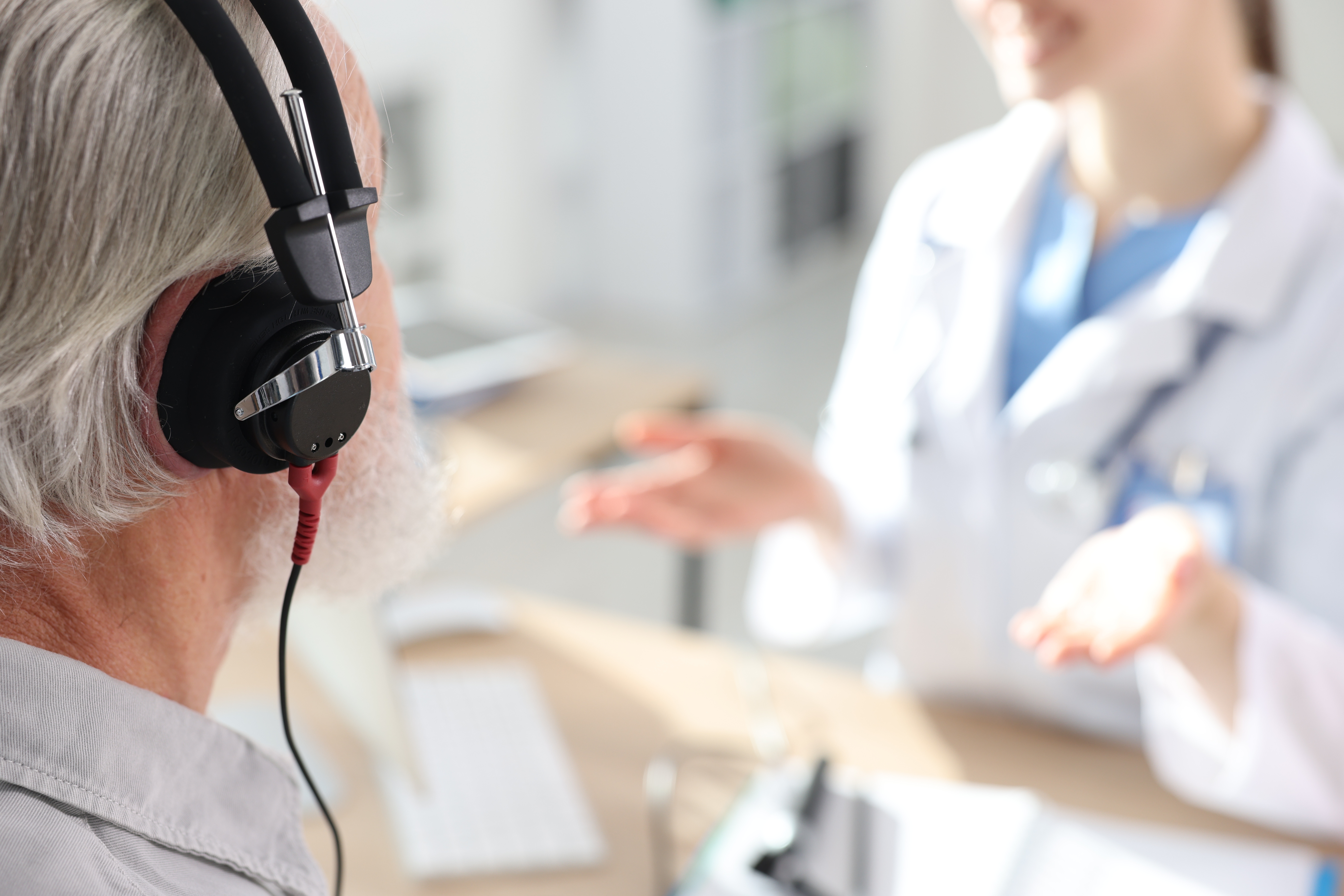
A comprehensive evaluation typically includes pure-tone audiometry, speech recognition testing, and a review of medical history. Results are interpreted in the context of the patient’s lifestyle, communication needs, and health goals. Our adult hearing assessments in Livingston are designed to give patients a detailed, actionable picture of their hearing health.

Beyond the Audiogram

Because the connection between hearing and cognitive health involves more than sound sensitivity, a skilled audiologist considers the broader clinical picture. This may include discussion of tinnitus, which can itself be a sign of auditory system stress, as well as any relevant systemic health factors. Patients with co-occurring conditions such as thyroid disorders may find additional perspective in our article on hearing loss and thyroid health.

The goal of evaluation is not simply to fit a device but to understand the whole patient and develop a plan that supports long-term hearing and brain health.

Why Choose Hearing Doctors of New Jersey in Livingston, NJ?

Hearing Doctors of New Jersey brings a level of clinical depth to this topic that is genuinely uncommon in audiology practice. Dr. Rhee Nesson holds certification as a Dementia Practitioner through the National Council of Certified Dementia Practitioners, a credential that reflects specialized training in exactly the intersection of hearing health and cognitive wellness discussed on this page. This certification means patients and caregivers in Livingston and the surrounding New Jersey area are receiving guidance from a provider who understands dementia risk not as a peripheral concern but as a core dimension of audiological care.

Dr. Rhee is also a Fellow of the American Academy of Audiology and a Certified Tinnitus Practitioner from AuD Experts, bringing a comprehensive, multi-specialty perspective to each patient encounter. The practice’s H.E.A.R. Method Tinnitus Relief Program reflects that same commitment to structured, evidence-informed care. Patients throughout Livingston and Essex County can be confident they are working with a practice that treats hearing health as foundational to whole-person wellbeing.

Frequently Asked Questions

At what age should I be concerned about the link between hearing loss and dementia risk?

Research suggests that even mild hearing loss in midlife, typically defined as the 40s through 60s, may be associated with elevated cognitive risk later in life. Age-related hearing loss becomes increasingly common after 50. Many audiologists recommend baseline hearing evaluations in midlife so that any changes can be monitored and addressed before significant decline occurs. Consult with a qualified audiologist to determine the right timing for your situation.

Can wearing hearing aids actually reduce dementia risk?

Some research suggests that treating hearing loss with hearing aids may help slow cognitive decline in certain high-risk populations, with one major trial reporting promising results. However, hearing aids are not a guaranteed preventive treatment for dementia, and individual results vary. The current evidence is encouraging and supports early intervention as part of a broader cognitive health strategy. A board-certified audiologist can help you understand what the research means for your specific case.

Is there a difference between cognitive decline and dementia?

Cognitive decline refers to a gradual reduction in memory, attention, or processing speed that may or may not progress to dementia. Dementia is a clinical diagnosis involving significant impairment in multiple cognitive domains that interferes with daily function. Untreated hearing loss has been associated with both, though the mechanisms and trajectories differ. Dr. Rhee Nesson’s certification as a Dementia Practitioner means patients receive guidance informed by that clinical distinction.

What if I already have a dementia diagnosis: is a hearing evaluation still worthwhile?

Yes. Addressing untreated hearing loss in someone who already has a dementia diagnosis may help improve communication, reduce behavioral symptoms, and support quality of life for both the patient and caregiver. Audiological care in this context requires specialized sensitivity and expertise. We encourage families navigating this situation in the Livingston, NJ area to schedule a consultation to discuss how hearing care can be integrated into an existing care plan.

How do I know if my hearing loss is significant enough to affect cognitive health?

Even mild degrees of hearing loss have been studied in relation to cognitive outcomes, meaning you do not need to experience severe or obvious hearing difficulty for this conversation to be relevant. The only way to know the degree and type of your hearing loss is through a professional evaluation. Our team provides comprehensive hearing health assessments in Livingston that can clarify your current status and inform a personalized care approach.

Contact Us Today

If you are in Livingston, NJ and want to better understand what hearing loss, cognitive decline, and dementia risk mean for you or someone you love, our team is here to help. Schedule a comprehensive hearing evaluation with a Certified Dementia Practitioner who brings both clinical expertise and genuine care to every appointment. Contact us today to take the first step toward protecting your hearing and your brain health.

Categories
Hearing Aids Hearing Challenges Hearing Loss Local Services

The Complete Guide to Hearing Aid Maintenance, Cleaning, and Troubleshooting

Proper hearing aid maintenance and care is one of the most important things you can do to protect your investment and keep your hearing aids performing at their best. Whether you were recently fitted with your first pair or have worn hearing aids for years, a consistent care routine can meaningfully extend the life of your devices, reduce the need for repairs, and help ensure you are hearing as clearly as possible every day. This guide walks Livingston, NJ residents through everything they need to know, from daily cleaning habits to troubleshooting common issues.

If you have questions specific to your devices, our team is here to help. Contact us for details.

Daily Hearing Aid Maintenance and Care: Building a Routine That Works

Consistent daily habits are the foundation of effective hearing aid maintenance and care. Earwax, moisture, and debris are the leading causes of reduced performance and premature device failure, yet most damage is entirely preventable with a few minutes of attention each day.

Cleaning Your Hearing Aids Each Day

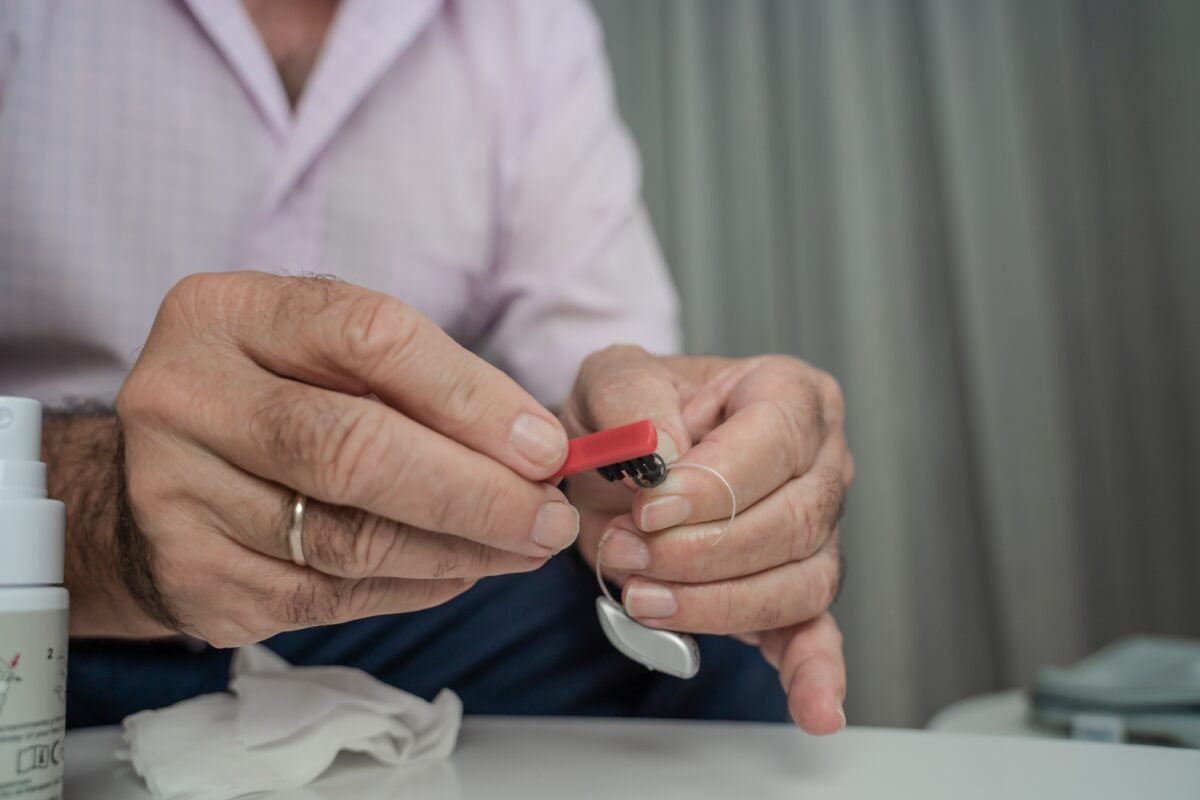
At the end of each day, use a dry, soft cloth or a dedicated hearing aid cleaning brush to gently wipe down the shell of the device. Pay particular attention to the microphone ports and the sound outlet, where wax tends to accumulate. Avoid using water, alcohol wipes, or household cleaning products directly on the devices, as moisture and harsh chemicals can damage delicate internal components. If your hearing aids use wax guards or filters, inspect them regularly and replace them as directed by your audiologist. The right hearing aid accessories in Livingston can make daily cleaning much more manageable.

Moisture Management

Moisture is among the most damaging elements for hearing aid electronics. Remove your devices before showering, swimming, or using a sauna. At night, store them in a dry, ventilated case with the battery door open to allow any accumulated moisture to evaporate. A hearing aid dehumidifier or drying kit is a worthwhile addition to your routine, particularly during humid New Jersey summers. Patients who incorporate moisture management into their nightly routine often report fewer performance interruptions between professional servicing appointments.

Battery Care and Storage

If your hearing aids use disposable batteries, store unused batteries at room temperature and away from direct sunlight. Avoid carrying loose batteries in pockets or bags where they can come into contact with metal objects, which may cause them to discharge prematurely. For rechargeable hearing aids, place them on their charger each night as part of your routine. Consistent charging habits help preserve battery longevity over time. You can learn more about your options when you buy hearing aid batteries in Livingston through our practice.

Troubleshooting Common Hearing Aid Problems

Even with attentive hearing aid maintenance and care, you may occasionally encounter performance issues. Understanding what to look for can help you resolve minor problems quickly and recognize when professional attention is needed.

Weak or Distorted Sound

If your hearing aid sounds quieter than usual or the audio seems distorted, start by checking the battery. A low or dead battery is the most common culprit. If replacing the battery does not resolve the issue, inspect the wax guard and sound outlet for blockage. A clogged wax filter is another frequent cause of reduced volume. Clean the device with a soft brush, replace the wax guard if applicable, and test again. If the problem persists, it is worth scheduling a professional check. Our team provides dedicated hearing aid repair services in Livingston for situations that go beyond at-home troubleshooting.

Feedback and Whistling

A whistling or feedback sound is often caused by an improper fit, a buildup of earwax in the ear canal, or a crack in the tubing on behind-the-ear models. First, ensure the device is seated correctly in your ear. If feedback continues, consult your audiologist to rule out earwax accumulation or a fit adjustment need. Changes in ear canal shape over time can affect how securely your device sits, and a simple refit may resolve the issue entirely.

Device Not Turning On

When a hearing aid fails to power on, check that the battery is correctly inserted and the battery door is fully closed. For rechargeable models, confirm the device made proper contact with the charger overnight. If the device still does not respond after these checks, avoid attempting to open or repair it yourself. Internal repairs require specialized tools and training. Our audiologists can evaluate the device and advise whether an in-office repair or manufacturer service is the appropriate next step.

Professional Hearing Aid Servicing: When Home Care Is Not Enough

Routine hearing aid maintenance and care at home addresses the majority of everyday wear, but professional servicing plays an equally important role in keeping your devices functioning optimally over the long term.

Why Regular Professional Cleanings Matter

A professional cleaning removes debris from areas that are difficult or impossible to reach with at-home tools, including internal components that accumulate fine particles over time. During a professional visit, your audiologist can also check your hearing aid programming to confirm the settings still match your current hearing profile. Hearing can change gradually, and a device that is not calibrated to your current needs may be underperforming without you realizing it. Scheduling professional hearing aid maintenance in Livingston at least once or twice per year is a widely recommended practice.

Connecting Maintenance to Overall Hearing Health

Professional visits are also an opportunity to address broader hearing health concerns. For patients managing tinnitus alongside hearing loss, ensuring hearing aids are functioning correctly is especially important, as properly fitted and calibrated devices may help reduce tinnitus perception for some individuals. Understanding the full picture of your hearing health through a comprehensive adult hearing assessment in Livingston provides the baseline your audiologist needs to make informed adjustments.

Why Choose Hearing Doctors of New Jersey in Livingston, NJ?

Patients throughout Livingston and the surrounding Essex County area trust Hearing Doctors of New Jersey for hearing aid maintenance and care because of the depth of clinical expertise available at the practice. Dr. Rhee Nesson is a Fellow of the American Academy of Audiology, a Certified Dementia Practitioner through the National Council of Certified Dementia Practitioners, and a Certified Tinnitus Practitioner from AuD Experts. The practice also offers the H.E.A.R. Method™ Tinnitus Relief Program, a structured approach developed in-house for patients navigating tinnitus alongside hearing loss. This breadth of specialization means your hearing aid care is considered within the context of your complete hearing health, not in isolation. Whether you need a routine cleaning, a troubleshooting visit, or a full hearing re-evaluation, our team brings the experience and credentials to support you at every stage. We invite Livingston residents to schedule a hearing appointment and experience personalized audiological care.

Frequently Asked Questions About Hearing Aid Maintenance and Care

How often should I have my hearing aids professionally cleaned?

Most audiologists recommend professional cleanings at least once or twice per year, though patients who produce more earwax or live in humid environments may benefit from more frequent visits. A professional cleaning addresses internal components that at-home tools cannot safely reach. It also gives your provider an opportunity to check that your hearing aid programming still matches your current hearing needs. Individual recommendations may vary based on your specific devices and lifestyle.

Can I use alcohol wipes or household cleaners on my hearing aids?

Alcohol wipes and household cleaning products are generally not recommended for hearing aid surfaces, as they can degrade the casing material and damage internal components over time. Use a dry, soft cloth or a hearing aid-specific cleaning tool instead. For wax guards and domes, follow the replacement schedule provided by your audiologist. If you are unsure which cleaning products are safe for your specific devices, ask your audiologist at your next visit.

What should I do if my hearing aid gets wet?

If your hearing aid is exposed to water, remove the battery immediately and leave the battery door open. Place the device in a hearing aid drying kit or dehumidifier overnight. Do not use a hair dryer or microwave to speed the drying process, as heat can cause significant internal damage. If the device does not function normally after drying, contact your audiologist. In some cases, a professional evaluation or manufacturer service may be needed to assess any internal moisture damage.

How do I know if my hearing aids still fit correctly?

If you notice consistent feedback, discomfort, or a sense that sound quality has declined, it may be a sign that your hearing aids no longer fit as intended. Ear canal shape can change over time due to aging, weight changes, or jaw movement, which can affect how securely a device sits. Your audiologist can evaluate the fit during a routine visit and recommend adjustments or new earmolds if needed. Exploring the available hearing aid styles and fits in Livingston may also be helpful.

Is hearing aid maintenance and care different for tinnitus patients?

For patients who use hearing aids as part of tinnitus management, consistent maintenance is especially important. A device that is underperforming due to poor upkeep may be less effective at providing the sound stimulation that can help reduce tinnitus perception for some individuals. Results vary by patient. Our practice specializes in tinnitus treatment, and our audiologists can offer guidance specific to your situation. Patients interested in a comprehensive approach may want to learn more about our H.E.A.R. Method™ program during a consultation.

Contact Us

Hearing aid maintenance and care in Livingston, NJ does not have to be complicated, but it does require consistency and the support of an experienced audiologist. Our team at Hearing Doctors of New Jersey is here to help you get the most from your hearing aids at every stage. To schedule a visit or ask about our services, request an appointment online today.

Categories
Hearing Aids Hearing Challenges Hearing Loss Local Services

The Complete Guide to Hearing Aid Technology: Types, Features, and How to Choose the Right Device for Your Needs

Understanding the types of hearing aids available today is one of the most important steps a person can take when exploring treatment for hearing loss. Modern hearing aid technology has advanced considerably, offering options that range from nearly invisible in-the-canal devices to powerful behind-the-ear systems designed for more significant hearing loss. Whether you are newly diagnosed or revisiting your options after years with an older device, this guide is designed to help you navigate the landscape with confidence.

If you have questions specific to your situation, we encourage you to reach out to our team in Livingston, NJ, to discuss your hearing health goals.

The Main Types of Hearing Aids: Styles, Fits, and What to Expect

When most people begin researching types of hearing aids, they quickly discover that the category breaks down into several distinct styles, each suited to different degrees of hearing loss, lifestyle needs, and anatomical considerations. Understanding how each style fits and functions can help you enter a provider conversation with a clearer sense of what may work best for you.

Behind-the-Ear (BTE) and Receiver-in-Canal (RIC) Devices

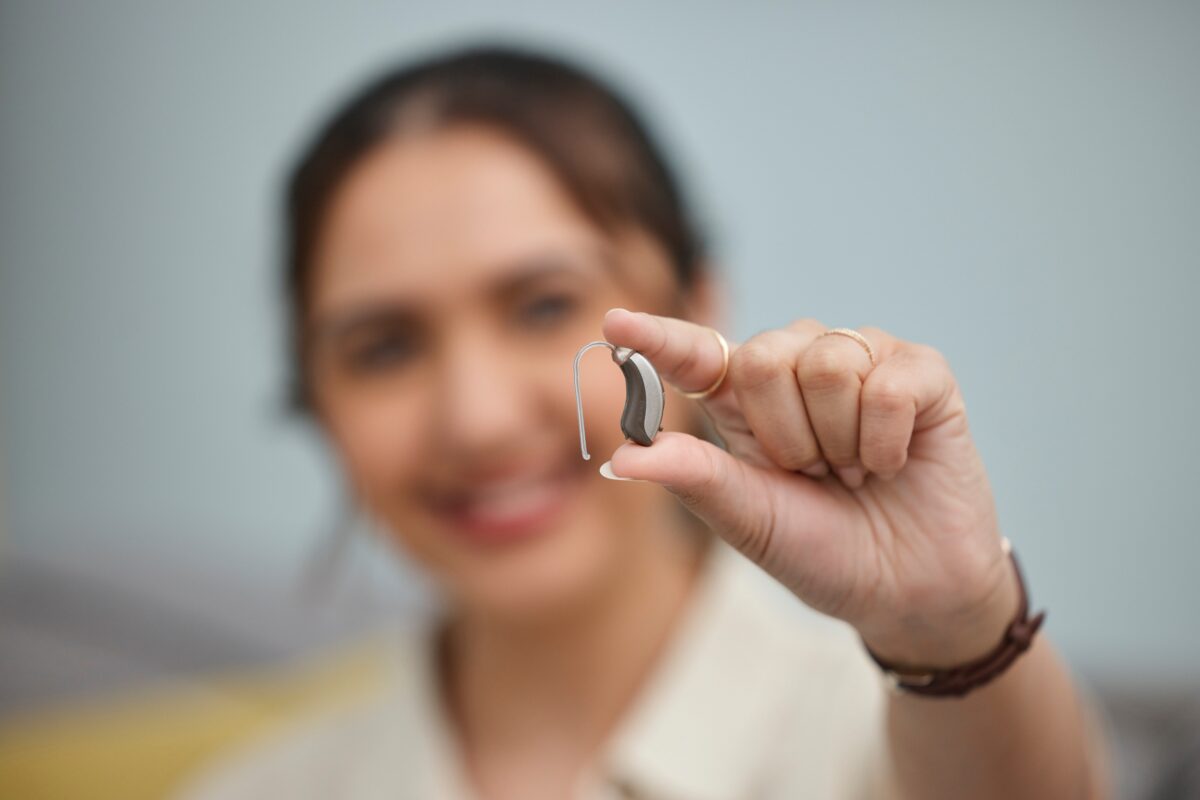
Behind-the-ear hearing aids house their main components in a small casing that rests behind the outer ear, with sound delivered through a thin tube or wire. Receiver-in-canal devices, a variation of the BTE design, place the speaker directly inside the ear canal for a more natural sound experience. BTE and RIC styles are among the most versatile types of hearing aids and may be appropriate for mild through profound hearing loss. Many patients find these styles comfortable for extended wear.

In-the-Ear (ITE), In-the-Canal (ITC), and Completely-in-Canal (CIC) Devices

These styles sit partially or fully within the ear canal. ITE devices fill the outer portion of the ear bowl and are easier to handle, making them a consideration for individuals with dexterity challenges. ITC models are smaller and sit deeper in the canal, while CIC devices are nearly invisible to outside observers. Invisible-in-canal (IIC) devices represent the most discreet option currently available. Candidacy for smaller styles depends on the shape and size of your ear canal, as well as your degree of hearing loss. A thorough adult hearing assessment in Livingston is an essential first step in determining which styles may be appropriate for your hearing profile.

For a closer look at how each of these fits compares visually and functionally, explore our overview of hearing aid styles and fits in Livingston.

How Hearing Aid Technology Levels and Features Affect Your Experience

Beyond the physical style of a device, hearing aids are also differentiated by their technology tier, which generally ranges from essential to premium. Understanding these tiers helps clarify why two devices of the same style may differ significantly in price and performance.

Entry-Level to Premium Technology Tiers

Entry-level hearing aids handle basic amplification effectively in quieter listening environments. Mid-range devices introduce more sophisticated noise management, allowing the user to follow conversation more comfortably in moderately noisy settings. Premium-tier hearing aids incorporate features such as directional microphone systems, automatic environment detection, Bluetooth connectivity for streaming from smartphones and televisions, and rechargeable battery options. Some models offer app-based controls that allow discreet, real-time adjustments to volume and listening programs.

Rechargeable vs. Disposable Battery Options

Rechargeable hearing aids have become increasingly popular, particularly among patients who find small battery replacement difficult. Disposable zinc-air batteries remain standard in many models and are available in a range of sizes. If you are weighing these options, our team can walk you through the practical differences during a fitting consultation. You can also review our resources on hearing aid batteries in Livingston and available hearing aid accessories to better understand ongoing device care.

Connectivity and Special-Use Features

Modern hearing aids increasingly support direct audio streaming, telecoil compatibility for loop systems in public venues, and integration with remote microphones. For musicians or performing artists, specialized listening devices may better serve their needs. We also offer in-ear monitors for musicians in Livingston as part of our broader hearing health services. Our practice carries devices from leading hearing aid manufacturers including Starkey, Oticon, Widex, and ReSound, giving patients access to a wide range of technology solutions.

Choosing the Right Hearing Aid: Key Factors to Discuss with Your Audiologist

Selecting among the types of hearing aids available is not a decision that should be made based on marketing materials alone. The right device is one that aligns with your hearing loss profile, lifestyle, physical comfort preferences, and budget. There is no single style or technology tier that is universally best.

Degree and Configuration of Hearing Loss

Your audiogram, produced during a diagnostic hearing evaluation, maps the degree and configuration of your hearing loss across frequencies. This data directly informs which styles and power levels are appropriate. Profound hearing loss, for example, typically requires a more powerful BTE device rather than a small canal-fit style. If you have not yet had a current evaluation, scheduling a hearing assessment in Livingston is the logical starting point.

Lifestyle and Listening Priorities

A patient who is frequently in noisy restaurants or business meetings has different technology needs than someone whose primary listening environment is home television. Discussing your daily routines, communication demands, and activities with your audiologist allows for a more tailored recommendation. Patients who are also managing tinnitus may benefit from hearing aids that include built-in sound therapy features, a consideration our practice is particularly experienced in evaluating.

Ongoing Maintenance and Long-Term Care

All hearing aids require regular maintenance to perform reliably. Wax filters, microphone covers, and cleaning routines differ by style. Understanding the care demands of a device before you commit helps prevent frustration later. Our team provides guidance on hearing aid maintenance in Livingston, and we offer hearing aid repair services in Livingston when devices need professional attention.

Why Choose Our Audiology Practice in Livingston, NJ?

Patients throughout Livingston and the surrounding Essex County area trust our practice for personalized, clinically grounded hearing care. Dr. Rhee Nesson holds fellowship status with the American Academy of Audiology, is a Certified Dementia Practitioner through the National Council of Certified Dementia Practitioners, and is a Certified Tinnitus Practitioner credentialed through AuD Experts. These qualifications reflect a depth of clinical training that extends well beyond hearing aid fittings alone. Our practice also specializes in tinnitus treatment and management, including our proprietary H.E.A.R. Method™ Tinnitus Relief Program, which distinguishes us from general hearing aid providers. When you choose a provider for something as important as your hearing health, experience and specialized training matter. We invite patients from across New Jersey to explore what individualized hearing care looks like at our Livingston practice. Schedule your hearing appointment to get started.

Frequently Asked Questions About Types of Hearing Aids

Are over-the-counter hearing aids a good alternative to prescription devices?

Over-the-counter hearing aids have become available for adults with perceived mild to moderate hearing loss following a 2022 FDA ruling. However, these devices are not programmed to an individual audiogram and may not address your specific hearing loss configuration accurately. A prescription hearing aid fitted by a licensed audiologist is adjusted to your unique profile. If you are uncertain which route is right for you, a professional hearing evaluation can provide clarity and help you make a more informed decision.

How do I know which style of hearing aid will fit my ear?

Ear canal size, shape, and the presence of any anatomical variations can affect candidacy for certain styles, particularly completely-in-canal and invisible-in-canal devices. Your audiologist will examine your ears and take measurements during a fitting consultation. Degree of hearing loss also plays a role, as smaller styles may not provide sufficient amplification for more significant losses. There is no way to determine the right fit without a professional evaluation, which is why an in-person consultation is recommended before any purchase decision.

Can hearing aids help with tinnitus as well as hearing loss?

Many hearing aids include built-in sound therapy or masking features that may help reduce the perceived prominence of tinnitus for some patients. Because hearing loss and tinnitus frequently occur together, properly fitted hearing aids can address both concerns simultaneously for eligible candidates. Our practice specializes in tinnitus treatment, including the H.E.A.R. Method™ Tinnitus Relief Program, and can evaluate whether hearing aids, dedicated tinnitus therapy, or a combination approach may best support your needs. Individual results may vary.

How long do hearing aids typically last?

Most hearing aids have a functional lifespan of approximately three to seven years, depending on the style, how well they are maintained, and how frequently they are worn. Daily cleaning, proper storage, and prompt attention to repairs can extend device longevity. Advances in hearing aid technology also occur regularly, and some patients choose to upgrade before their current devices fail. Our team can assess your current devices and advise whether repair or replacement may be the more practical option for your situation.

Is there a difference between hearing aids and personal sound amplification products (PSAPs)?

Yes. Hearing aids are regulated medical devices intended to compensate for hearing loss and must meet FDA standards. Personal sound amplification products are consumer electronics intended for people with normal hearing in specific listening situations, such as hunting or birdwatching. PSAPs are not designed or programmed to address diagnosed hearing loss. For a more detailed comparison, our practice has prepared a resource on the differences between PSAPs and hearing aids that may help clarify your options.

Take the Next Step Toward Better Hearing in Livingston, NJ

Navigating the types of hearing aids available is far more manageable with an experienced audiologist guiding the process. Our Livingston, NJ practice combines advanced diagnostic capabilities with deep clinical expertise to help you find a device that fits your hearing profile, lifestyle, and goals. To explore your options and receive personalized recommendations, contact our team today. Individual results may vary.

Categories
Tinnitus

Get Your Life Back From Tinnitus with Oto

Tinnitus can feel overwhelming. The constant ringing, buzzing, or humming in your ears may leave you exhausted, distracted, and searching for answers. While it is a common experience shared by millions, many people do not realize that there are effective tools for tinnitus relief that can help them regain control and enjoy life again. At Hearing Doctors of New Jersey in Livingston, NJ, we are proud to support patients by offering innovative tinnitus management approaches, including the Oto app, a program that makes tinnitus treatment more accessible and empowering.

Understanding Tinnitus and Why it Happens

Tinnitus is not a disease itself but rather a symptom of another condition. For some, it may result from hearing loss, exposure to loud sounds, or injury to the auditory system. For others, it can be linked to stress, poor sleep, or even certain medications. Whatever the cause, tinnitus often leaves people feeling frustrated and anxious. There may not be a one-size-fits-all cure, but with the right treatment plan, many people find meaningful relief.

Why Oto is Changing the Way We Approach Tinnitus

Traditional approaches to tinnitus relief often include hearing aids, counseling, and sound therapy. These strategies remain very effective, and we at Hearing Doctors of New Jersey regularly incorporate them into our customized care plans. However, advances in technology have made it possible to combine proven techniques with accessible digital tools.

One of the leading programs in this space is Oto. This app takes evidence-based methods like cognitive behavioral therapy, sound therapy, and relaxation techniques and brings them directly to your phone. For patients, this means you can practice daily strategies designed to retrain your brain’s response to tinnitus. In turn, the ringing becomes less noticeable and less distressing over time.

What to Expect from Oto

A major concern that patients often share with us is how long it takes to notice improvement. While every case is unique, most people using Oto start noticing changes in their relationship with tinnitus within just a few weeks. By regularly practicing coping strategies, many patients report that within six to twelve weeks they experience less stress and a greater sense of calm. For some, it takes longer, and that is perfectly normal. The journey is about gradual progress rather than instant transformation.

If you are new to tinnitus treatment, Oto can help by:

  • Offering guided sessions that teach relaxation and mindfulness
  • Providing sound therapy to help shift attention away from tinnitus
  • Teaching you practical stress management techniques that make daily life easier

The most important thing to know is that Oto is not about silencing the sound entirely but about helping your brain respond differently so the ringing no longer dominates your life.

How Hearing Doctors of New Jersey Can Help

At Hearing Doctors of New Jersey, we use our proprietary HEAR Method to carefully evaluate and guide patients toward the right care. We understand that no two experiences of tinnitus are alike. That is why our team takes time to listen, educate, and provide treatment recommendations that truly fit your needs.

By combining personalized in-office care with innovative resources like Oto, we can help you build a holistic tinnitus management plan. Our goal is not just to improve your hearing health but also to give you back the peace of mind you deserve.

Take the Next Step Toward Tinnitus Relief

Living with tinnitus can feel isolating, but you are not alone. With expert support, advanced technology, and practical tools like Oto, lasting relief is within reach. Patients who commit to a treatment plan often find that the ringing fades into the background and no longer holds them back from enjoying life.

If you are ready to explore your options for tinnitus treatment, our team is here to help you every step of the way. Contact us today at Hearing Doctors of New Jersey in Livingston to schedule a consultation and discover how we can support you on your journey toward better hearing and greater peace of mind.

Categories
Hearing Loss Preventing Decline

Introducing Lace AI Pro: Your Path to Better Hearing

Hearing Better Starts with Communicating Smarter

Hearing loss impacts not only the person experiencing it but also their loved ones. If you’ve ever been asked, “Shouldn’t you be hearing better now that you have hearing aids?” or told “I don’t think you’re trying hard enough to hear,” you know how discouraging such comments can be. The truth is: you are trying, often harder than anyone realizes.

Why Hearing Can Feel So Hard

When you have hearing loss, listening isn’t automatic anymore. It becomes a mental workout, like solving a puzzle with missing pieces. By the time you put the clues together, the conversation may have already moved on. This nonstop effort can make social activities, work, and even family dinners feel overwhelming and exhausting.

The Real Goal: Better Communication

Modern hearing aids are incredible tools that amplify and clarify sound, but they don’t restore normal hearing. That’s why it’s important to focus not just on technology but also on building new skills and strategies.

Experts have found that the most effective approach to hearing loss is like a three-legged stool:

  • Technology (such as hearing aids)
  • Behavioral strategies (like facing the person speaking and minimizing distractions)
  • Self-advocacy (learning when and how to ask for help)

NEW: Lace AI Pro – A Powerful Tool for Hearing in Noise

At Hearing Doctors of New Jersey, we are excited to offer Lace AI Pro, an innovative auditory training program from LACE Auditory Training designed specifically to help you hear better in noisy environments. Lace AI Pro works alongside your current hearing solutions, training your brain to process speech more effectively in real-world scenarios where background noise is a challenge.

Unlike traditional approaches that focus solely on the ears, Lace AI Pro targets your brain’s natural ability to adapt and improve listening skills. Think of it as fitness for your ears and mind! With consistent practice, you can experience sharper listening, less frustration in social settings, and greater confidence in group conversations.

How Does Lace AI Pro Work?

  • Brain-Based Training: Exercises designed to enhance how your brain interprets speech in complex auditory environments.
  • Personalized Sessions: Adaptive tasks to suit your current level and progressively challenge your listening skills.
  • Accessible at Home: Complete your auditory training on your schedule, right from your own device.

Learn more about how our HEAR Method™ Hearing Loss Treatment Program can combine Lace AI Pro with expert guidance for even better results.

Frequently Asked Questions about Lace AI Pro

Is Lace AI Pro a replacement for hearing aids?

No, Lace AI Pro is designed to work alongside your current hearing aids. While hearing aids help you pick up sounds, auditory training helps your brain make sense of what you hear.

How long before I notice results?

Most users begin to notice improvements in listening skills and reduced fatigue after just a few weeks of regular practice.

Can my family benefit from Lace AI Pro?

Absolutely! Family support and understanding are key to successful communication—Lace AI Pro encourages involvement and awareness for everyone.

Are We All Doing Everything to Support Better Communication?

Instead of asking, “Are your hearing aids turned up?”, it can be more helpful to ask, “Are we all doing everything we can to support better communication?” When everyone works together, using the right technology, strategies, and support, the results are not just better hearing, but better connection and understanding.

Take the Next Step – Let’s Hear Better Together!

Ready to give your brain the boost it needs for hearing in challenging situations? Schedule an appointment with the Hearing Doctors of New Jersey today to discuss how Lace AI Pro and our personalized programs can help you or a loved one hear and live better!

Contact us now to get started on your journey toward better hearing. Your new way of communicating and connecting starts here!

Categories
Hearing Challenges

Everything You “Know” About Preventing Dementia Is Probably Wrong—And It’s Costing Lives

The Dementia Prevention Myths We Believe

Most of us have heard the same advice repeated over and over: do crossword puzzles, learn a new language, or play brain games if you want to keep your mind sharp and prevent dementia. Yet, despite this common wisdom, more than seven million Americans are currently living with Alzheimer’s disease—and that number is expected to nearly double by 2050. Clearly, the strategies we’ve been relying on aren’t working as we hoped.

Why Brain Games Aren’t the Answer

The truth is, brain games don’t actually save neurons or prevent cognitive decline. While crosswords and similar activities can help you get better at those specific tasks, the benefits rarely extend beyond the game itself. Your brain becomes more adept at solving puzzles, but these skills don’t transfer to everyday memory or thinking. Unfortunately, many people gain a false sense of security from these activities, believing they’re doing everything they can to protect their brains.

The Overlooked Protectors of Brain Health

What really makes a difference in brain health often gets overlooked. Treating hearing loss, for example, can reduce the risk of developing dementia by 18%. Managing blood pressure during midlife is another crucial factor, as is aggressively addressing sleep apnea. Maintaining real, in-person social connections—rather than relying solely on online interactions—also plays a significant role in protecting cognitive function.

Why Exercise Outperforms Mental Puzzles

Exercise, more than any brain game, offers powerful benefits for your brain. Physical activity boosts levels of brain-derived neurotrophic factor (BDNF), which acts like fertilizer for your brain cells. Regular movement improves blood flow, reduces inflammation, and can even help grow the memory center of your brain. These effects are far more profound than anything a brain-training app can offer.

The Prevention Paradox: Simple Steps, Big Impact

There’s a paradox at the heart of dementia prevention: the interventions that truly work aren’t flashy or marketable. The “sexy” solutions, like brain-training apps, often fail to deliver real results. Instead, it’s the simple, evidence-based steps—like treating hearing loss, managing blood pressure, and prioritizing sleep—that get ignored, even though they’re the most effective.

Consider a recent example from my clinic. A patient proudly showed off his 500-day streak on a brain-training app, convinced he was doing everything right. Yet, his sleep apnea had gone untreated for a decade, and his hearing aids were gathering dust in a drawer. In reality, he was focusing on games while his brain was being deprived of oxygen every night.

The Unvarnished Truth About Dementia Prevention

The unglamorous reality is that effective dementia prevention isn’t about puzzles or apps. Get your hearing checked and use your hearing aids if you need them. Treat sleep apnea as if your life depends on it—because it might. Move your body every day, maintain meaningful in-person relationships, and start controlling your blood pressure now. Your brain doesn’t need more puzzles; it needs oxygen, blood flow, and genuine human connection.

If you’re ready to take real steps to protect your brain, consider scheduling a comprehensive hearing evaluation. At Hearing Doctors of New Jersey, our Doctors of Audiology use the proprietary H.E.A.R. Method™ Treatment Program to help you never miss another word and to safeguard your brain health for years to come. Let’s focus on what truly matters for your cognitive well-being.

Categories
Hearing Aids

Hearing Wellness for Active Adults: Protecting and Enhancing Hearing Health Through Every Stage of Life

Summer is a season of vibrant activity—outdoor concerts, fireworks, sporting events, and family gatherings. But while you’re enjoying the sounds of the season, it’s crucial not to overlook your hearing health. At Hearing Doctors of New Jersey, we are dedicated to helping active adults protect and enhance their hearing at every stage of life with advanced treatment options and personalized care.

Why Hearing Health Matters for Active Adults

Healthy hearing is essential for staying connected with loved ones, enjoying social activities, and maintaining overall well-being. Unfortunately, many popular summer activities can put your hearing at risk. Prolonged exposure to loud noises—from concerts and fireworks to lawnmowers and power tools—can lead to irreversible hearing loss if you’re not careful.

Common Summer Risks to Your Hearing

  • Outdoor concerts and festivals: Sound levels can easily exceed 90 decibels, which may cause permanent hearing damage with prolonged exposure.
  • Fireworks: Fireworks can reach up to 155 decibels—loud enough to cause immediate hearing loss.
  • Sporting events and parades: Sirens, bands, and cheering crowds all add up to a noisy environment that can impact your ears.
  • Outdoor chores: Lawn equipment and power tools are often overlooked sources of damaging noise.

How to Protect Your Hearing During Summer Activities

  • Wear hearing protection: Use earplugs or earmuffs during loud events. High-fidelity earplugs are ideal for concerts, while custom-fit options from your audiologist offer maximum comfort and protection.
  • Maintain safe distances: Stay away from speakers, fireworks, and other loud noise sources whenever possible.
  • Take listening breaks: Give your ears time to recover by stepping away from noisy environments periodically.
  • Schedule regular hearing assessments: Early detection is key. If you notice ringing, muffled hearing, or difficulty understanding speech, consider a hearing assessment to check your hearing health.

Enhancing Hearing Health with Advanced Solutions

If you’re already experiencing hearing loss, the right hearing aids can make a world of difference. At Hearing Doctors of New Jersey, we offer the latest in digital hearing aids, featuring advanced noise reduction, Bluetooth connectivity, and custom programming to fit your lifestyle. Our team works closely with you to find the best solution, ensuring you never miss a moment—whether you’re at a backyard barbecue or a summer concert.

Learn more about our team and why so many New Jersey adults trust us with their hearing health.

Frequently Asked Questions

  • How often should I get my hearing checked? Adults should have a baseline hearing assessment and then follow up every 1-2 years, or sooner if they notice changes.
  • Are hearing aids waterproof for summer activities? Many modern hearing aids are water-resistant, but it’s best to remove them before swimming. Ask our audiologists for tips on protecting your devices.
  • Can hearing loss from loud noises be reversed? Noise-induced hearing loss is usually permanent, but early intervention with hearing aids and protection can prevent further damage.

Take the Next Step Toward Better Hearing Health

Don’t let summer fun put your hearing at risk. Protect your ears, stay proactive with regular checkups, and explore advanced hearing aids tailored for your active lifestyle. Ready to prioritize your hearing health? Contact Hearing Doctors of New Jersey today to schedule your comprehensive hearing assessment and discover how we can help you hear your best—this summer and beyond.

Categories
Hearing Challenges Hearing Loss Preventing Decline

How Untreated Hearing Loss Affects Your Brain Health: The Cognitive Connection

The Hidden Link Between Your Ears and Brain

Many people view hearing loss as simply a sensory issue that affects their ability to communicate. However, research increasingly shows that untreated hearing loss has far-reaching effects beyond just missing conversations – it can actually impact your brain health in significant ways. At Hearing Doctors of New Jersey, we believe understanding this connection is crucial for maintaining your cognitive well-being throughout life.

When you experience hearing loss, your brain receives less auditory stimulation. This reduction in input doesn’t just affect your ability to hear; it fundamentally changes how your brain processes information and can accelerate cognitive decline over time.

The Science Behind Hearing Loss and Cognitive Function

The relationship between hearing loss and brain health is supported by compelling research. Studies from Johns Hopkins University have found that untreated hearing loss is associated with an increased risk of developing dementia. In fact, even mild hearing loss can double the risk of dementia, while severe hearing loss can increase the risk by up to five times.

Why does this happen? Several mechanisms explain this connection:

  1. Cognitive Load: When you struggle to hear, your brain diverts resources from memory and thinking to simply understanding speech. This increased cognitive load taxes your brain and can accelerate cognitive decline.
  2. Brain Structure Changes: Hearing loss can lead to accelerated atrophy in parts of the brain responsible for processing sound and speech. These areas also play important roles in memory and sensory integration.
  3. Social Isolation: People with untreated hearing loss often withdraw from social activities due to communication difficulties. This isolation is a well-established risk factor for cognitive decline and dementia.
  4. Reduced Auditory Processing: The brain’s auditory cortex weakens with lack of stimulation, affecting how your brain processes and makes sense of sounds, including speech.

Warning Signs to Watch For

Recognizing the early signs of hearing-related cognitive issues can help you seek intervention sooner. Be alert to these warning signs:

  • Difficulty following conversations in noisy environments
  • Frequently asking people to repeat themselves
  • Finding it harder to remember conversations
  • Feeling mentally fatigued after social gatherings
  • Trouble remembering things that were said to you
  • Withdrawing from social situations you previously enjoyed

If you’re experiencing these symptoms, a comprehensive hearing assessment can help determine if hearing loss is contributing to your cognitive challenges.

Treatment Options and Cognitive Benefits

The good news is that addressing hearing loss can have significant positive effects on brain health. Research suggests that hearing aids and other hearing interventions may help slow or prevent cognitive decline associated with hearing loss.

Hearing Aids and Brain Health

Advanced prescriptive hearing aids do more than amplify sound – they provide the auditory stimulation your brain needs to maintain healthy function. Studies show that hearing aid users experience:

  • Improved cognitive performance
  • Better memory function
  • Reduced listening effort
  • Enhanced social engagement
  • Slower rates of cognitive decline

At Hearing Doctors of New Jersey, our proprietary H.E.A.R. Method™ Treatment Program ensures you receive personalized hearing care that addresses both your hearing needs and supports your long-term brain health.

Early Intervention is Key

The earlier hearing loss is treated, the better the outcomes for both hearing and cognitive health. When hearing loss is addressed promptly, the brain maintains its ability to process and interpret sounds effectively, preserving neural pathways critical for cognitive function.

Protecting Your Hearing and Brain Health

Protecting your hearing over a lifetime is one of the best investments you can make in your future brain health. Our team of Doctors of Audiology is dedicated to helping you maintain both your hearing and cognitive abilities through:

  • Comprehensive hearing evaluations
  • Personalized hearing treatment plans
  • State-of-the-art hearing technology
  • Ongoing hearing healthcare support

Take Action Today for Better Brain Health Tomorrow

If you or a loved one is experiencing hearing difficulties, don’t wait to seek help. The connection between hearing health and brain function makes early intervention crucial for maintaining cognitive wellness.

Our team of Doctors of Audiology combine their passion for helping others with expertise in hearing healthcare to provide exceptional care. We understand that better hearing brings not just improved communication, but also confidence and cognitive benefits that enhance your overall quality of life.

Schedule a hearing evaluation with Hearing Doctors of New Jersey today to protect both your hearing and cognitive health. The impact of better hearing extends far beyond your ears – it’s an investment in your brain’s future.

Contact us to learn how our H.E.A.R. Method™ Treatment Program can help ensure you never miss another word – or thought – guaranteed.

Categories
Hearing Aids

The 5 Best Hearing Aid Manufacturers in 2025

Choosing the right hearing aid can be a daunting task, especially with so many manufacturers and models available. At Hearing Doctors of New Jersey, we understand the importance of finding the perfect fit for your unique hearing needs. That’s why we’ve compiled a list of the best hearing aid manufacturers in 2025 to help guide you through the selection process. If you’re looking for hearing aids near me, you’ve come to the right place!

Top Hearing Aid Manufacturers in 2025

Here are five manufacturers that consistently rank high in terms of innovation, quality, and customer satisfaction:

  1. Starkey: Known for their innovative technology and custom solutions.
  2. Oticon: Renowned for their focus on brain hearing and natural sound processing.
  3. Phonak: A leader in performance and reliability, offering a wide range of hearing solutions.
  4. Widex: Celebrated for their commitment to sound quality and user-friendly designs.
  5. Signia: Stands out with its advanced connectivity and discreet designs.

Types of Hearing Aids

Understanding the different types of hearing aids is crucial in making an informed decision. Here’s a quick overview:

  • Behind-the-Ear (BTE): These hearing aids sit behind the ear and are suitable for a wide range of hearing losses.
  • Receiver-in-Canal (RIC): A discreet option where the receiver sits in the ear canal.
  • In-the-Ear (ITE): Custom-made to fit in the outer ear.
  • In-the-Canal (ITC): Smaller than ITEs and fit partially in the ear canal.
  • Completely-in-Canal (CIC): The smallest type, fitting entirely inside the ear canal.

Explore more about hearing aid styles to find the perfect fit for your lifestyle and hearing needs.

How to Choose the Right Hearing Aid

Selecting the right hearing aid involves several factors. Here’s what to consider:

  • Hearing Loss Type and Severity: Different hearing aids are designed for different levels of hearing loss.
  • Lifestyle: Consider your daily activities and environments. Active individuals may prefer durable and discreet options.
  • Features: Look for features like noise reduction, Bluetooth connectivity, and rechargeable batteries.
  • Budget: Hearing aids vary in price, so set a budget and explore options within your range.

Hearing Doctors of New Jersey: Your Local Experts

At Hearing Doctors of New Jersey, serving areas like hearing aids livingston and hearing aids bergen county NJ, we offer advanced treatment options and personalized care. Our experienced audiologists can help you navigate the world of hearing aids and find the best solution for your needs. We work with leading manufacturers to provide you with the latest technology and the most effective hearing solutions. Learn more about the hearing aid manufacturers we partner with.

Common Questions About Hearing Aids

Q: How often should I replace my hearing aids?
A: Hearing loss is considered a progressive degenerative disorder. Meaning that over time, your hearing will change and the treatment that you start with, in approximately 3.5 to 4 years will not be what you need to continue hearing your best. 

Q: Are hearing aids covered by insurance?
A: Coverage varies by insurance provider. Contact your insurance company to understand your benefits.

Q: Can hearing aids prevent further hearing loss?
A: While hearing aids cannot reverse hearing loss, they can help stimulate the auditory system and prevent further degradation.

Ready to Take the Next Step?

Don’t let hearing loss hold you back. Contact Hearing Doctors of New Jersey today to schedule a comprehensive hearing evaluation and explore your hearing aid options. Our friendly team is here to help you every step of the way. Contact us now to book your appointment!

Categories
Hearing Aids

Revolutionizing Hearing Aid Maintenance: Insights from New Research

At Hearing Doctors of New Jersey, we are committed to providing the best possible care for your auditory health. As pioneers in the field, we are thrilled to be part of groundbreaking research that sheds light on the optimal maintenance of hearing aids. Recent findings published in the Journal of Otolaryngology – ENT Research have emphasized the importance of maintaining hearing aids to ensure they perform at their best.

New Research on Hearing Aid Maintenance

The recent study investigated the efficacy of using the Redux machine, a cutting-edge device designed to remove moisture and debris from hearing aids. Moisture and debris can accumulate in hearing aids over time, leading to impaired functionality. Through our involvement, the research verified that the Redux machine significantly enhances hearing aid performance and longevity by performing thorough cleaning processes.

As a partner in this study, Dr. Rhee Nesson and her team at Hearing Doctors of New Jersey contributed to crucial validations of this cleaning process, ensuring that our patients in and around New Jersey receive state-of-the-art care.

The H.E.A.R. Method Treatment Program

At Hearing Doctors of New Jersey, we also take pride in our proprietary H.E.A.R. Method Treatment Program. This treatment program underscores the importance of regular visits to maintain optimal hearing health. With our customized approach, we ensure that your hearing devices are in prime condition.

The benefits of our H.E.A.R. Method™ Treatment Program include:

  • Regular assessments by our skilled Doctors of Audiology.
  • Systematic cleaning and maintenance checks using the latest technology like the Redux machine.
  • Personalized adjustments and recommendations to suit individual hearing needs.
  • 7-Step Cognitive Screening & Diagnostic Evaluation
  • Treatment Plan & Certified Prescription Hearing Aid Technology
  • Scientific Verification of Outcomes
  • Expert Care from Excellence in Audiology Certified Professionals
  • Any supplies, accessories, or batteries you’ll need during treatment
  • Coverage for loss or damage at a significantly lower deductible
  • Yearly Cognitive/Dementia Risk Screenings
  • Annual Comprehensive Diagnostic Evaluation
  • Price Lock guarantee
  • 100% Money-Back Guarantee

Why Scheduled Visits Matter

Many individuals often overlook the significance of routine check-ups for their hearing aids. However, skipping these essential visits can lead to degradation in device performance. That’s why our team at Hearing Doctors of New Jersey highly recommends scheduling regular appointments.

By consistently maintaining your hearing aids, you can benefit from:

  • Prolonged device life and reduced repair costs.
  • Enhanced sound quality and clarity.
  • Increased satisfaction and improved auditory experience.

To learn more about our services and the H.E.A.R. Method Treatment™Program, contact our website or contact us at (973) 577-4100.

Serving the New Jersey Community

Situated in the heart of New Jersey, our practice not only serves local communities but also attracts patients from surrounding areas. Our dedication to advancing hearing care resonates well beyond our immediate community, and we take pride in being a trusted name in audiology.

Schedule an appointment today to learn how our innovative treatments and research-backed methods can transform your hearing experience.

Further Reading and Resources

For those interested in delving deeper into hearing aid maintenance and the associated technologies, we suggest visiting the National Center for Biotechnology Information for comprehensive articles and studies on the subject.

At Hearing Doctors of New Jersey, your hearing health is our priority. Our approach is holistic, blending cutting-edge technology with personalized care strategies to ensure you live life to the fullest!

Remember, an appointment today can set the stage for optimal hearing tomorrow. Reach out to us at (973) 577-4100, and let our experienced team guide you towards unparalleled hearing solutions.