
Categories
Hearing Aids Hearing Challenges Hearing Loss Local Services

The Complete Guide to Hearing Aid Maintenance, Cleaning, and Troubleshooting

Proper hearing aid maintenance and care is one of the most important things you can do to protect your investment and keep your hearing aids performing at their best. Whether you were recently fitted with your first pair or have worn hearing aids for years, a consistent care routine can meaningfully extend the life of your devices, reduce the need for repairs, and help ensure you are hearing as clearly as possible every day. This guide walks Livingston, NJ residents through everything they need to know, from daily cleaning habits to troubleshooting common issues.

If you have questions specific to your devices, our team is here to help. Contact us for details.

Daily Hearing Aid Maintenance and Care: Building a Routine That Works

Consistent daily habits are the foundation of effective hearing aid maintenance and care. Earwax, moisture, and debris are the leading causes of reduced performance and premature device failure, yet most damage is entirely preventable with a few minutes of attention each day.

Cleaning Your Hearing Aids Each Day

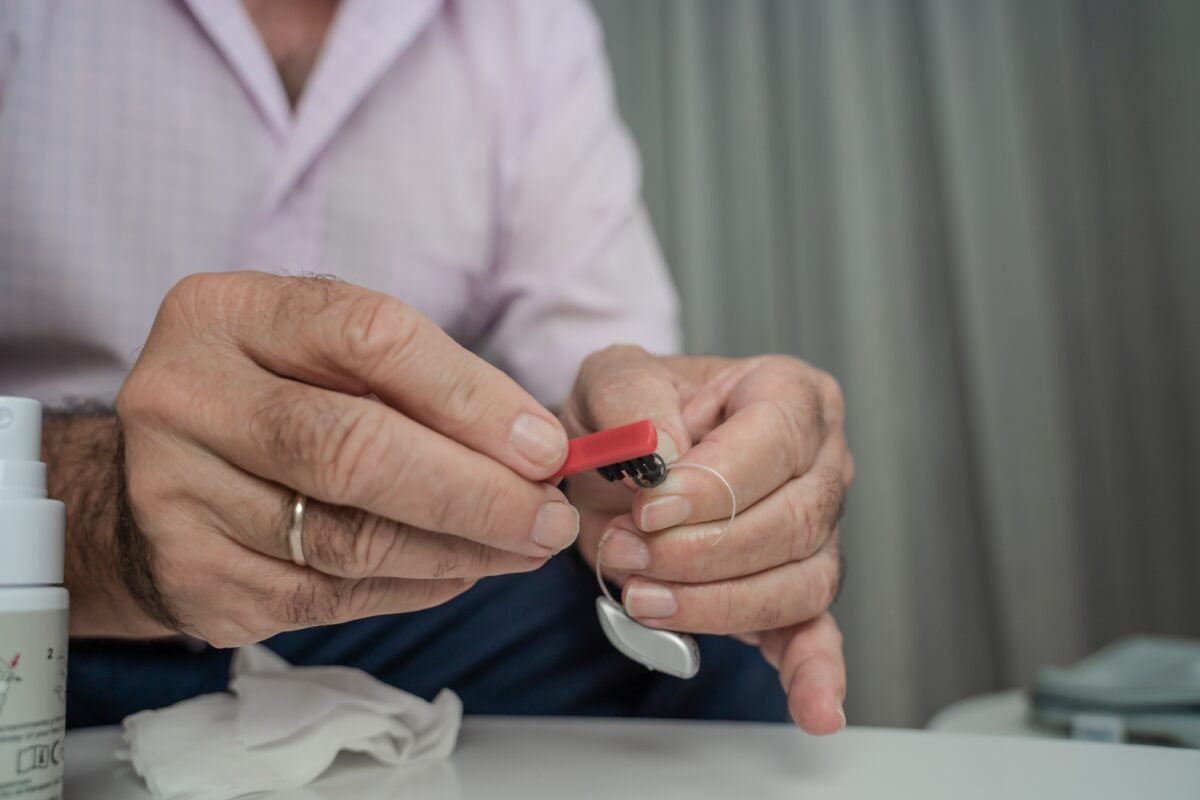
At the end of each day, use a dry, soft cloth or a dedicated hearing aid cleaning brush to gently wipe down the shell of the device. Pay particular attention to the microphone ports and the sound outlet, where wax tends to accumulate. Avoid using water, alcohol wipes, or household cleaning products directly on the devices, as moisture and harsh chemicals can damage delicate internal components. If your hearing aids use wax guards or filters, inspect them regularly and replace them as directed by your audiologist. The right hearing aid accessories in Livingston can make daily cleaning much more manageable.

Moisture Management

Moisture is among the most damaging elements for hearing aid electronics. Remove your devices before showering, swimming, or using a sauna. At night, store them in a dry, ventilated case with the battery door open to allow any accumulated moisture to evaporate. A hearing aid dehumidifier or drying kit is a worthwhile addition to your routine, particularly during humid New Jersey summers. Patients who incorporate moisture management into their nightly routine often report fewer performance interruptions between professional servicing appointments.

Battery Care and Storage

If your hearing aids use disposable batteries, store unused batteries at room temperature and away from direct sunlight. Avoid carrying loose batteries in pockets or bags where they can come into contact with metal objects, which may cause them to discharge prematurely. For rechargeable hearing aids, place them on their charger each night as part of your routine. Consistent charging habits help preserve battery longevity over time. You can learn more about your options when you buy hearing aid batteries in Livingston through our practice.

Troubleshooting Common Hearing Aid Problems

Even with attentive hearing aid maintenance and care, you may occasionally encounter performance issues. Understanding what to look for can help you resolve minor problems quickly and recognize when professional attention is needed.

Weak or Distorted Sound

If your hearing aid sounds quieter than usual or the audio seems distorted, start by checking the battery. A low or dead battery is the most common culprit. If replacing the battery does not resolve the issue, inspect the wax guard and sound outlet for blockage. A clogged wax filter is another frequent cause of reduced volume. Clean the device with a soft brush, replace the wax guard if applicable, and test again. If the problem persists, it is worth scheduling a professional check. Our team provides dedicated hearing aid repair services in Livingston for situations that go beyond at-home troubleshooting.

Feedback and Whistling

A whistling or feedback sound is often caused by an improper fit, a buildup of earwax in the ear canal, or a crack in the tubing on behind-the-ear models. First, ensure the device is seated correctly in your ear. If feedback continues, consult your audiologist to rule out earwax accumulation or a fit adjustment need. Changes in ear canal shape over time can affect how securely your device sits, and a simple refit may resolve the issue entirely.

Device Not Turning On

When a hearing aid fails to power on, check that the battery is correctly inserted and the battery door is fully closed. For rechargeable models, confirm the device made proper contact with the charger overnight. If the device still does not respond after these checks, avoid attempting to open or repair it yourself. Internal repairs require specialized tools and training. Our audiologists can evaluate the device and advise whether an in-office repair or manufacturer service is the appropriate next step.

Professional Hearing Aid Servicing: When Home Care Is Not Enough

Routine hearing aid maintenance and care at home addresses the majority of everyday wear, but professional servicing plays an equally important role in keeping your devices functioning optimally over the long term.

Why Regular Professional Cleanings Matter

A professional cleaning removes debris from areas that are difficult or impossible to reach with at-home tools, including internal components that accumulate fine particles over time. During a professional visit, your audiologist can also check your hearing aid programming to confirm the settings still match your current hearing profile. Hearing can change gradually, and a device that is not calibrated to your current needs may be underperforming without you realizing it. Scheduling professional hearing aid maintenance in Livingston at least once or twice per year is a widely recommended practice.

Connecting Maintenance to Overall Hearing Health

Professional visits are also an opportunity to address broader hearing health concerns. For patients managing tinnitus alongside hearing loss, ensuring hearing aids are functioning correctly is especially important, as properly fitted and calibrated devices may help reduce tinnitus perception for some individuals. Understanding the full picture of your hearing health through a comprehensive adult hearing assessment in Livingston provides the baseline your audiologist needs to make informed adjustments.

Why Choose Hearing Doctors of New Jersey in Livingston, NJ?

Patients throughout Livingston and the surrounding Essex County area trust Hearing Doctors of New Jersey for hearing aid maintenance and care because of the depth of clinical expertise available at the practice. Dr. Rhee Nesson is a Fellow of the American Academy of Audiology, a Certified Dementia Practitioner through the National Council of Certified Dementia Practitioners, and a Certified Tinnitus Practitioner from AuD Experts. The practice also offers the H.E.A.R. Method™ Tinnitus Relief Program, a structured approach developed in-house for patients navigating tinnitus alongside hearing loss. This breadth of specialization means your hearing aid care is considered within the context of your complete hearing health, not in isolation. Whether you need a routine cleaning, a troubleshooting visit, or a full hearing re-evaluation, our team brings the experience and credentials to support you at every stage. We invite Livingston residents to schedule a hearing appointment and experience personalized audiological care.

Frequently Asked Questions About Hearing Aid Maintenance and Care

How often should I have my hearing aids professionally cleaned?

Most audiologists recommend professional cleanings at least once or twice per year, though patients who produce more earwax or live in humid environments may benefit from more frequent visits. A professional cleaning addresses internal components that at-home tools cannot safely reach. It also gives your provider an opportunity to check that your hearing aid programming still matches your current hearing needs. Individual recommendations may vary based on your specific devices and lifestyle.

Can I use alcohol wipes or household cleaners on my hearing aids?

Alcohol wipes and household cleaning products are generally not recommended for hearing aid surfaces, as they can degrade the casing material and damage internal components over time. Use a dry, soft cloth or a hearing aid-specific cleaning tool instead. For wax guards and domes, follow the replacement schedule provided by your audiologist. If you are unsure which cleaning products are safe for your specific devices, ask your audiologist at your next visit.

What should I do if my hearing aid gets wet?

If your hearing aid is exposed to water, remove the battery immediately and leave the battery door open. Place the device in a hearing aid drying kit or dehumidifier overnight. Do not use a hair dryer or microwave to speed the drying process, as heat can cause significant internal damage. If the device does not function normally after drying, contact your audiologist. In some cases, a professional evaluation or manufacturer service may be needed to assess any internal moisture damage.

How do I know if my hearing aids still fit correctly?

If you notice consistent feedback, discomfort, or a sense that sound quality has declined, it may be a sign that your hearing aids no longer fit as intended. Ear canal shape can change over time due to aging, weight changes, or jaw movement, which can affect how securely a device sits. Your audiologist can evaluate the fit during a routine visit and recommend adjustments or new earmolds if needed. Exploring the available hearing aid styles and fits in Livingston may also be helpful.

Is hearing aid maintenance and care different for tinnitus patients?

For patients who use hearing aids as part of tinnitus management, consistent maintenance is especially important. A device that is underperforming due to poor upkeep may be less effective at providing the sound stimulation that can help reduce tinnitus perception for some individuals. Results vary by patient. Our practice specializes in tinnitus treatment, and our audiologists can offer guidance specific to your situation. Patients interested in a comprehensive approach may want to learn more about our H.E.A.R. Method™ program during a consultation.

Contact Us

Hearing aid maintenance and care in Livingston, NJ does not have to be complicated, but it does require consistency and the support of an experienced audiologist. Our team at Hearing Doctors of New Jersey is here to help you get the most from your hearing aids at every stage. To schedule a visit or ask about our services, request an appointment online today.

Categories
Hearing Aids Hearing Challenges Hearing Loss Local Services

The Complete Guide to Hearing Aid Technology: Types, Features, and How to Choose the Right Device for Your Needs

Understanding the types of hearing aids available today is one of the most important steps a person can take when exploring treatment for hearing loss. Modern hearing aid technology has advanced considerably, offering options that range from nearly invisible in-the-canal devices to powerful behind-the-ear systems designed for more significant hearing loss. Whether you are newly diagnosed or revisiting your options after years with an older device, this guide is designed to help you navigate the landscape with confidence.

If you have questions specific to your situation, we encourage you to reach out to our team in Livingston, NJ, to discuss your hearing health goals.

The Main Types of Hearing Aids: Styles, Fits, and What to Expect

When most people begin researching types of hearing aids, they quickly discover that the category breaks down into several distinct styles, each suited to different degrees of hearing loss, lifestyle needs, and anatomical considerations. Understanding how each style fits and functions can help you enter a provider conversation with a clearer sense of what may work best for you.

Behind-the-Ear (BTE) and Receiver-in-Canal (RIC) Devices

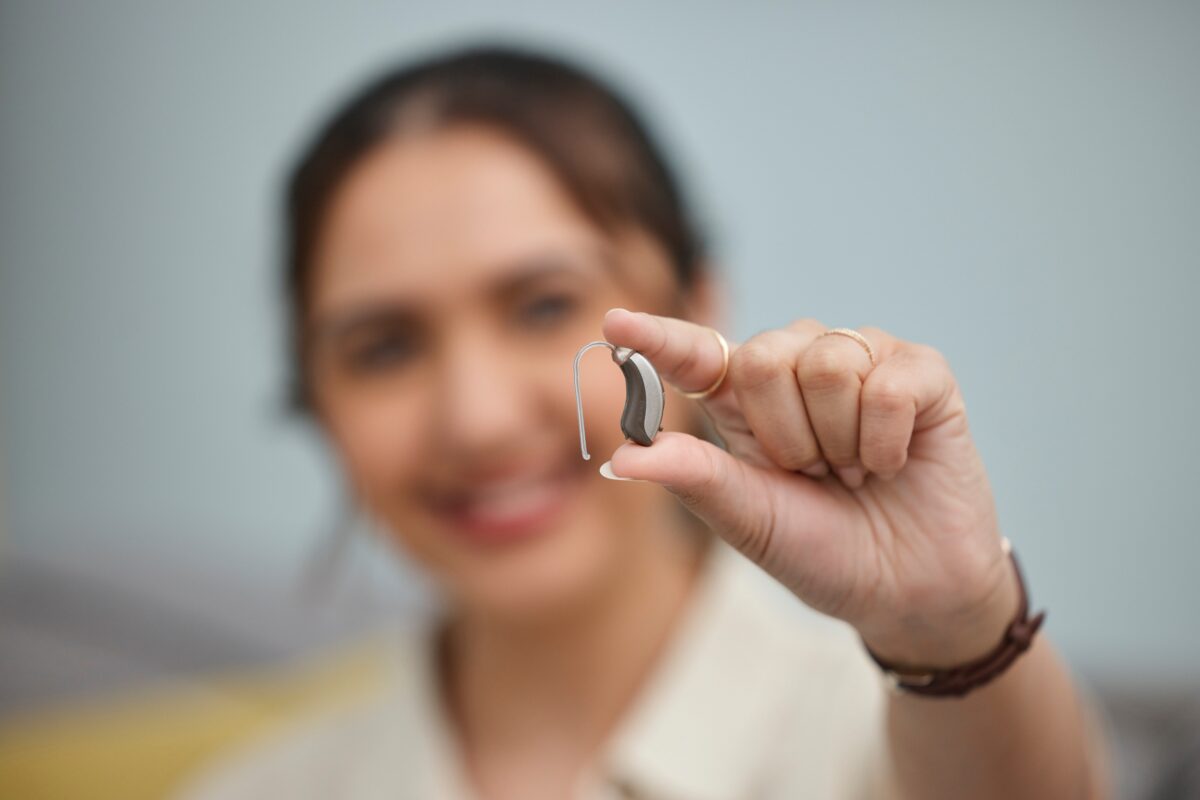
Behind-the-ear hearing aids house their main components in a small casing that rests behind the outer ear, with sound delivered through a thin tube or wire. Receiver-in-canal devices, a variation of the BTE design, place the speaker directly inside the ear canal for a more natural sound experience. BTE and RIC styles are among the most versatile types of hearing aids and may be appropriate for mild through profound hearing loss. Many patients find these styles comfortable for extended wear.

In-the-Ear (ITE), In-the-Canal (ITC), and Completely-in-Canal (CIC) Devices

These styles sit partially or fully within the ear canal. ITE devices fill the outer portion of the ear bowl and are easier to handle, making them a consideration for individuals with dexterity challenges. ITC models are smaller and sit deeper in the canal, while CIC devices are nearly invisible to outside observers. Invisible-in-canal (IIC) devices represent the most discreet option currently available. Candidacy for smaller styles depends on the shape and size of your ear canal, as well as your degree of hearing loss. A thorough adult hearing assessment in Livingston is an essential first step in determining which styles may be appropriate for your hearing profile.

For a closer look at how each of these fits compares visually and functionally, explore our overview of hearing aid styles and fits in Livingston.

How Hearing Aid Technology Levels and Features Affect Your Experience

Beyond the physical style of a device, hearing aids are also differentiated by their technology tier, which generally ranges from essential to premium. Understanding these tiers helps clarify why two devices of the same style may differ significantly in price and performance.

Entry-Level to Premium Technology Tiers

Entry-level hearing aids handle basic amplification effectively in quieter listening environments. Mid-range devices introduce more sophisticated noise management, allowing the user to follow conversation more comfortably in moderately noisy settings. Premium-tier hearing aids incorporate features such as directional microphone systems, automatic environment detection, Bluetooth connectivity for streaming from smartphones and televisions, and rechargeable battery options. Some models offer app-based controls that allow discreet, real-time adjustments to volume and listening programs.

Rechargeable vs. Disposable Battery Options

Rechargeable hearing aids have become increasingly popular, particularly among patients who find small battery replacement difficult. Disposable zinc-air batteries remain standard in many models and are available in a range of sizes. If you are weighing these options, our team can walk you through the practical differences during a fitting consultation. You can also review our resources on hearing aid batteries in Livingston and available hearing aid accessories to better understand ongoing device care.

Connectivity and Special-Use Features

Modern hearing aids increasingly support direct audio streaming, telecoil compatibility for loop systems in public venues, and integration with remote microphones. For musicians or performing artists, specialized listening devices may better serve their needs. We also offer in-ear monitors for musicians in Livingston as part of our broader hearing health services. Our practice carries devices from leading hearing aid manufacturers including Starkey, Oticon, Widex, and ReSound, giving patients access to a wide range of technology solutions.

Choosing the Right Hearing Aid: Key Factors to Discuss with Your Audiologist

Selecting among the types of hearing aids available is not a decision that should be made based on marketing materials alone. The right device is one that aligns with your hearing loss profile, lifestyle, physical comfort preferences, and budget. There is no single style or technology tier that is universally best.

Degree and Configuration of Hearing Loss

Your audiogram, produced during a diagnostic hearing evaluation, maps the degree and configuration of your hearing loss across frequencies. This data directly informs which styles and power levels are appropriate. Profound hearing loss, for example, typically requires a more powerful BTE device rather than a small canal-fit style. If you have not yet had a current evaluation, scheduling a hearing assessment in Livingston is the logical starting point.

Lifestyle and Listening Priorities

A patient who is frequently in noisy restaurants or business meetings has different technology needs than someone whose primary listening environment is home television. Discussing your daily routines, communication demands, and activities with your audiologist allows for a more tailored recommendation. Patients who are also managing tinnitus may benefit from hearing aids that include built-in sound therapy features, a consideration our practice is particularly experienced in evaluating.

Ongoing Maintenance and Long-Term Care

All hearing aids require regular maintenance to perform reliably. Wax filters, microphone covers, and cleaning routines differ by style. Understanding the care demands of a device before you commit helps prevent frustration later. Our team provides guidance on hearing aid maintenance in Livingston, and we offer hearing aid repair services in Livingston when devices need professional attention.

Why Choose Our Audiology Practice in Livingston, NJ?

Patients throughout Livingston and the surrounding Essex County area trust our practice for personalized, clinically grounded hearing care. Dr. Rhee Nesson holds fellowship status with the American Academy of Audiology, is a Certified Dementia Practitioner through the National Council of Certified Dementia Practitioners, and is a Certified Tinnitus Practitioner credentialed through AuD Experts. These qualifications reflect a depth of clinical training that extends well beyond hearing aid fittings alone. Our practice also specializes in tinnitus treatment and management, including our proprietary H.E.A.R. Method™ Tinnitus Relief Program, which distinguishes us from general hearing aid providers. When you choose a provider for something as important as your hearing health, experience and specialized training matter. We invite patients from across New Jersey to explore what individualized hearing care looks like at our Livingston practice. Schedule your hearing appointment to get started.

Frequently Asked Questions About Types of Hearing Aids

Are over-the-counter hearing aids a good alternative to prescription devices?

Over-the-counter hearing aids have become available for adults with perceived mild to moderate hearing loss following a 2022 FDA ruling. However, these devices are not programmed to an individual audiogram and may not address your specific hearing loss configuration accurately. A prescription hearing aid fitted by a licensed audiologist is adjusted to your unique profile. If you are uncertain which route is right for you, a professional hearing evaluation can provide clarity and help you make a more informed decision.

How do I know which style of hearing aid will fit my ear?

Ear canal size, shape, and the presence of any anatomical variations can affect candidacy for certain styles, particularly completely-in-canal and invisible-in-canal devices. Your audiologist will examine your ears and take measurements during a fitting consultation. Degree of hearing loss also plays a role, as smaller styles may not provide sufficient amplification for more significant losses. There is no way to determine the right fit without a professional evaluation, which is why an in-person consultation is recommended before any purchase decision.

Can hearing aids help with tinnitus as well as hearing loss?

Many hearing aids include built-in sound therapy or masking features that may help reduce the perceived prominence of tinnitus for some patients. Because hearing loss and tinnitus frequently occur together, properly fitted hearing aids can address both concerns simultaneously for eligible candidates. Our practice specializes in tinnitus treatment, including the H.E.A.R. Method™ Tinnitus Relief Program, and can evaluate whether hearing aids, dedicated tinnitus therapy, or a combination approach may best support your needs. Individual results may vary.

How long do hearing aids typically last?

Most hearing aids have a functional lifespan of approximately three to seven years, depending on the style, how well they are maintained, and how frequently they are worn. Daily cleaning, proper storage, and prompt attention to repairs can extend device longevity. Advances in hearing aid technology also occur regularly, and some patients choose to upgrade before their current devices fail. Our team can assess your current devices and advise whether repair or replacement may be the more practical option for your situation.

Is there a difference between hearing aids and personal sound amplification products (PSAPs)?

Yes. Hearing aids are regulated medical devices intended to compensate for hearing loss and must meet FDA standards. Personal sound amplification products are consumer electronics intended for people with normal hearing in specific listening situations, such as hunting or birdwatching. PSAPs are not designed or programmed to address diagnosed hearing loss. For a more detailed comparison, our practice has prepared a resource on the differences between PSAPs and hearing aids that may help clarify your options.

Take the Next Step Toward Better Hearing in Livingston, NJ

Navigating the types of hearing aids available is far more manageable with an experienced audiologist guiding the process. Our Livingston, NJ practice combines advanced diagnostic capabilities with deep clinical expertise to help you find a device that fits your hearing profile, lifestyle, and goals. To explore your options and receive personalized recommendations, contact our team today. Individual results may vary.