
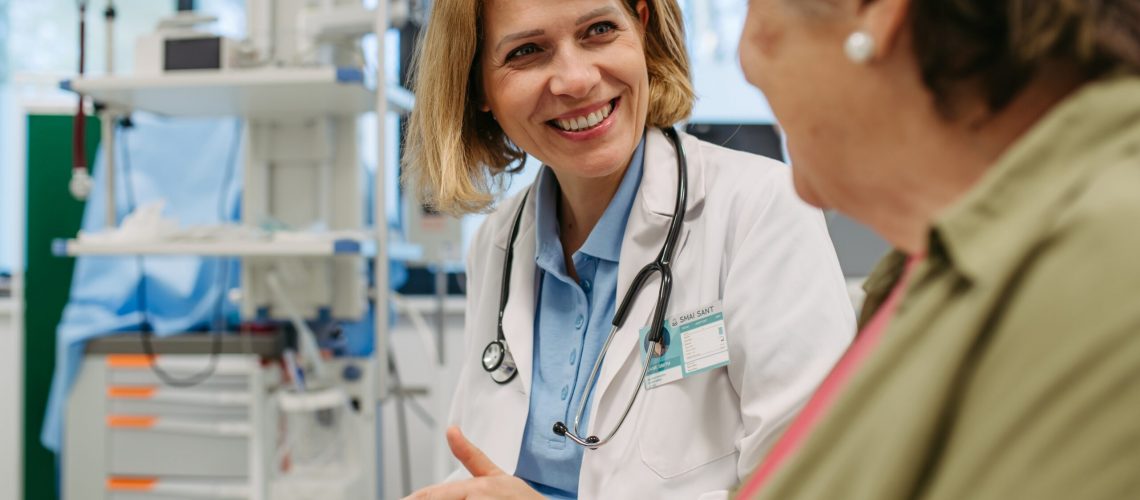
The connection between diabetes and hearing loss is more significant than many people realize. Research suggests that adults with diabetes are roughly twice as likely to experience hearing loss compared to those without the condition, making hearing health an important part of managing overall wellness for the millions of Americans living with diabetes or prediabetes. If you or someone you care about is managing blood sugar concerns, understanding how metabolic health may affect your hearing can help you take proactive steps before changes become noticeable. To speak with a specialist, contact us today for details.
How Diabetes May Affect Hearing Health
Diabetes is a systemic condition, meaning it can affect many body systems beyond blood sugar regulation. The inner ear, known as the cochlea, relies on a delicate network of small blood vessels and nerves to function properly. Over time, elevated blood glucose levels may damage these structures, reducing the cochlea’s ability to transmit sound signals to the brain with clarity and precision.
Damage to Blood Vessels and Nerves
High blood sugar can contribute to what researchers call microvascular damage, which refers to injury to the tiny blood vessels that supply oxygen and nutrients to sensitive tissue. The cochlea is particularly vulnerable because its hair cells, which convert sound vibrations into nerve signals, do not regenerate once damaged. Nerve pathways involved in hearing may also be affected through a process similar to peripheral neuropathy, a well-known complication of long-term diabetes.
Why Symptoms Can Go Unnoticed
Hearing changes related to diabetes and hearing loss often develop gradually, which means many people adjust to small shifts without recognizing that their hearing has changed. Difficulty following conversations in noisy environments, frequently asking others to repeat themselves, or noticing that certain high-pitched sounds seem less clear are all early indicators worth discussing with an audiologist. If you are noticing any of these signs, exploring a comprehensive adult hearing assessment in Livingston and Clifton is a meaningful first step.
The Diabetes and Hearing Loss Connection: What the Research Suggests
A landmark study published in the Annals of Internal Medicine found a strong association between diabetes and hearing loss across a nationally representative sample of adults. Participants with diabetes showed significantly higher rates of hearing impairment at both low-to-mid and high frequencies compared to those without diabetes, even after controlling for age, noise exposure, and other variables. Importantly, prediabetes was also associated with a 30 percent higher rate of hearing loss, suggesting that metabolic disruption may begin affecting the auditory system earlier than previously understood.
Tinnitus as a Related Concern
Some individuals with diabetes also report tinnitus, a perception of ringing, buzzing, or humming in the ears without an external source. Nerve and vascular changes in the cochlea may contribute to tinnitus onset or worsening. At Hearing Doctors of New Jersey, we specialize in tinnitus treatment and management, including the proprietary H.E.A.R. Method Tinnitus Relief Program, which offers a structured approach for patients seeking relief from persistent ear noise. Understanding the full picture of your hearing health, including any tinnitus symptoms, allows our team to build a care plan tailored to your needs.
Other Systemic Conditions and Hearing
Diabetes is not the only systemic health condition linked to changes in hearing. Similar mechanisms have been observed with other metabolic and cardiovascular concerns. Our practice also provides educational resources on related topics, including the relationship between hearing loss and thyroid health and hearing loss and sleep apnea, helping patients understand hearing as one piece of a broader wellness picture.
Managing Hearing Loss When You Have Diabetes
If you have been diagnosed with diabetes and are concerned about your hearing, there are practical steps you can take to protect and support your auditory health. The foundation of care begins with a thorough baseline hearing evaluation. Understanding where your hearing currently stands allows your audiologist to monitor for changes over time and intervene early if a pattern of decline begins.
Regular Hearing Evaluations
Annual or biannual hearing assessments are often recommended for adults managing diabetes, particularly those who have had the condition for several years. A detailed evaluation through hearing assessments and testing in Livingston and Clifton can establish a precise baseline and detect subtle shifts that might otherwise go unnoticed for years.
Hearing Aids as a Treatment Option
For patients where diabetes-related hearing loss has progressed to a level that affects daily communication, hearing aids may significantly improve quality of life. Modern devices are sophisticated, discreet, and customizable to an individual’s specific hearing profile. Our team works with leading manufacturers and offers a range of hearing aid styles in Livingston and Clifton to match both hearing needs and lifestyle preferences. Individual results vary, and our audiologists conduct thorough evaluations before making any device recommendations.
Protecting the Hearing You Have
Noise exposure can compound existing vulnerability in the auditory system. For patients with diabetes, minimizing unnecessary noise damage becomes even more important. Reducing exposure to loud environments, using appropriate hearing protection, and staying consistent with blood sugar management are all strategies that may help slow the progression of hearing changes over time.
Why Choose Hearing Doctors of New Jersey?
At Hearing Doctors of New Jersey, serving patients in Livingston, Clifton, and the surrounding communities, our approach to hearing care goes beyond fitting devices. Dr. Rhee Nesson is a Fellow of the American Academy of Audiology, a Certified Dementia Practitioner through the National Council of Certified Dementia Practitioners, and a Certified Tinnitus Practitioner from AuD Experts. This depth of specialization means patients with complex health backgrounds, including those managing diabetes, receive care that reflects a thorough understanding of how systemic conditions intersect with auditory health.
Our practice created the H.E.A.R. Method Tinnitus Relief Program, a distinction that speaks to our commitment to developing structured, evidence-informed solutions. We also recognize that untreated hearing loss can affect cognitive health and emotional well-being, which is why we address the full spectrum of how hearing integrates with overall quality of life. We invite you to schedule your hearing appointment with Hearing Doctors of New Jersey and take the next step in your hearing health journey.
Ready to learn more? Call us today for details on scheduling your evaluation.
Frequently Asked Questions
Is hearing loss from diabetes reversible?
Hearing loss related to diabetes is generally considered sensorineural in nature, meaning it involves damage to the inner ear’s hair cells or nerve pathways. This type of loss is typically not reversible. However, early detection through a professional hearing evaluation may help slow progression, and hearing aids may significantly improve day-to-day communication. Managing blood sugar levels consistently is also considered an important part of protecting remaining hearing function. Individual results vary.
How often should someone with diabetes have their hearing tested?
Many audiologists suggest that adults with diabetes schedule a hearing evaluation at least once a year, particularly if they have lived with the condition for five or more years or have experienced other diabetic complications. Establishing a baseline early allows your provider to track any meaningful changes over time. If you have not yet had a baseline test, an adult hearing assessment in Livingston or Clifton is a straightforward starting point.
Can prediabetes also affect hearing?
Research suggests that prediabetes may also be associated with an increased risk of hearing loss, even before a full diabetes diagnosis. This finding highlights why people in the prediabetic range should not overlook their hearing health. Speaking with both your primary care provider and an audiologist about monitoring your hearing may be worthwhile if your blood sugar levels have been identified as above normal.
Does tinnitus get worse with diabetes?
Some patients with diabetes report that tinnitus, a persistent perception of sound without an external source, accompanies their hearing changes. Vascular and nerve-related changes in the cochlea may contribute to tinnitus onset or intensity. At Hearing Doctors of New Jersey, we specialize in tinnitus management, including our proprietary H.E.A.R. Method Tinnitus Relief Program, which provides a structured path for patients seeking relief. A thorough evaluation is the best way to understand what may be driving your specific symptoms.
Are there hearing aids designed for people managing complex health conditions?
Modern hearing aids are highly customizable and can be fitted to meet the specific hearing profile of any individual, regardless of underlying health conditions. Our team offers a broad range of devices from leading manufacturers and will assess your hearing needs comprehensively before making any recommendations. If you have questions about whether hearing aids are appropriate for your situation, exploring hearing aid options in New Jersey with one of our audiologists is an excellent next step. Individual results vary.
Take the Next Step Toward Better Hearing Health
If you are living with diabetes and have not yet had your hearing evaluated, now is the time to act. The connection between diabetes and hearing loss is well-documented, and early intervention offers the best opportunity to protect your communication and quality of life. Hearing Doctors of New Jersey is here to help. Call us today for details, or schedule your hearing appointment online at your convenience.